Vinyl vs streaming sound quality comes down to a trade, not a winner. Vinyl is an analog format pressed into polyvinyl chloride — a phonograph record, as the Wikipedia entry on vinyl defines it — and it plays back with a warmth and surface noise that some listeners prefer. Streaming gives you instant access to millions of tracks at consistent, clean fidelity, usually with no crackle at all. Neither is simply better; they do different jobs.
For dance music, the trade has extra layers. A record is a physical object you can cue, pitch, and drop on a real turntable in a real room. A stream is a library in your pocket. Most listeners now live on streaming, yet labels keep pressing wax, and DJs keep buying it. This guide explains why both formats survive, what each one actually does to the sound, and how to choose for your own setup.
Electronic music is a broad family — house, techno, drum & bass, and their offshoots, which we keep traced through the machines that made them — and format has shaped every one of those scenes. The 12-inch single, the DJ-friendly edit, the crate: these are format inventions as much as musical ones. This connects to our earlier piece, House vs. Tech House vs. Techno: A Field Guide to the Family Tree.
What actually differs in sound quality?
Vinyl is analog. The groove in the record is a physical shape, and the stylus traces it to make a signal. Nothing gets converted to numbers. That analog path is why fans describe vinyl as warmer or fuller. It is also why vinyl carries flaws streaming does not: surface noise, clicks, wow and flutter, and a limited ability to hold extreme bass and very high frequencies on one disc.
Streaming is digital. The music is stored as data and rebuilt by a converter in your phone, laptop, or DAC. A well-produced stream is silent between tracks, holds deep sub-bass without the groove running out of space, and never degrades with plays. The catch is the chain around it: Bluetooth compression, cheap earbuds, and low bitrate files can flatten a mix faster than any format choice.
So the honest answer on fidelity: a clean pressing on a good deck can sound superb, and a high-quality stream on the same system can sound just as good or better on the low end. What vinyl wins on is character and ritual. What streaming wins on is consistency, bass headroom, and access.
Why does dance music still press vinyl?
Because the format is built into how the music works. House and techno grew up on 12-inch singles: one track per side, long intros for beatmatching, room for a dub mix. The record was not packaging. It was the instrument.
That history still pays off. A vinyl-only label release creates scarcity and care. Buying the record means committing to it. Digging through a crate surfaces tracks no playlist would ever hand you. And on a club system, a well-pressed record played loud has a physical presence many DJs still chase.
There is also the economics. Streaming pays producers through complex royalty pools, which we break down in How Streaming Royalties Actually Work for Electronic Music Producers. A record sold at a fair price puts money in a small label's hands immediately. For a label releasing 500 copies of a techno 12-inch, that difference is not nostalgia. It is cash flow. Readers following this should also see How Streaming Royalties Actually Work for Electronic Music Producers.
What does streaming change for listeners?
Access, mostly. Streaming put the entire back catalogue of dance music in one search bar. A track that lived on a deleted white label in 1993 is now a click away. That is a genuine gain: lost records get heard, rare grooves get sampled, and new listeners can walk the family tree from disco to gabber without hunting a single import.
The cost is curation by algorithm. Playlists reward tracks that open well in the first seconds. Dance music often does the opposite — a four-minute intro that exists so a DJ can blend it. When the format rewards instant hooks, the slow-burn build risks getting written out. Some producers now master for the playlist rather than the floor. Whether that is progress or erosion depends on where you stand at 2 a.m.
How should a DJ choose between formats?
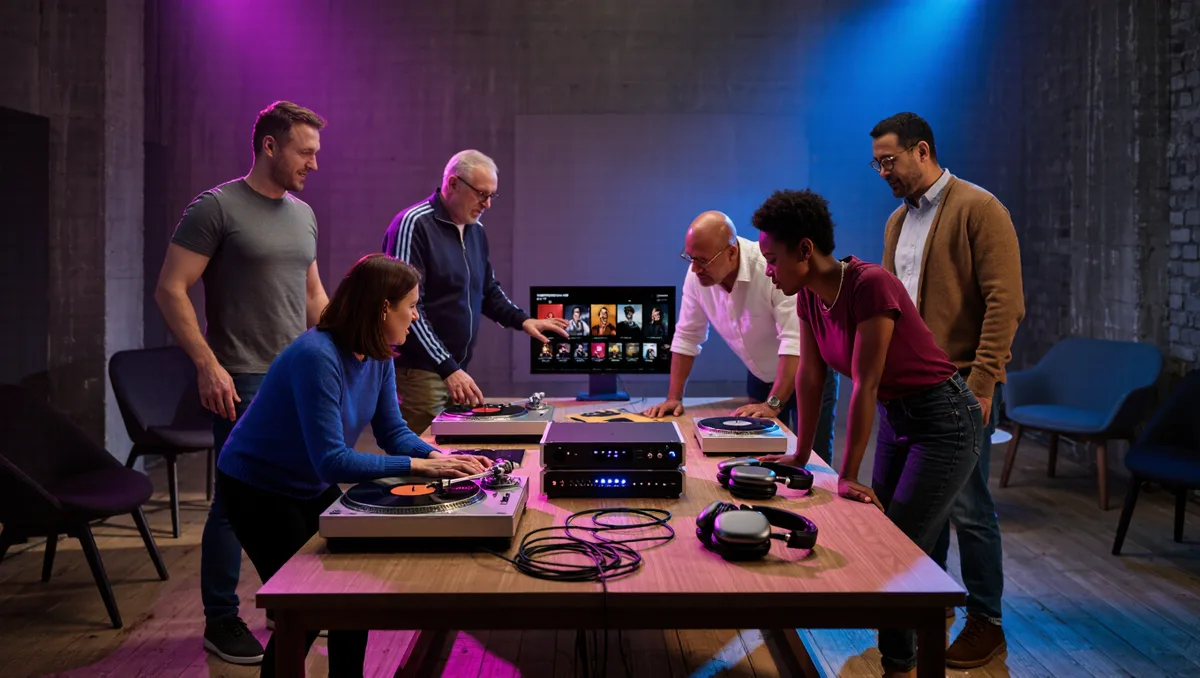
Most working DJs carry both. The practical split looks like this:
- Vinyl for the room. If the booth has turntables and the crowd wants a journey, records give you tactile control and a sound that cuts through a big system.
- Streaming or files for range. A USB stick or a streamed set covers the requests, the new releases, and the tracks that never got a pressing.
- Both for the warm-up. Open the night digging, close it with whatever the floor demands.
Hardware matters more than format loyalty. A great pressing on a badly aligned deck sounds worse than a decent stream on a calibrated PA. Spend on the needle, the speakers, and the room first.
How do you care for a vinyl collection?
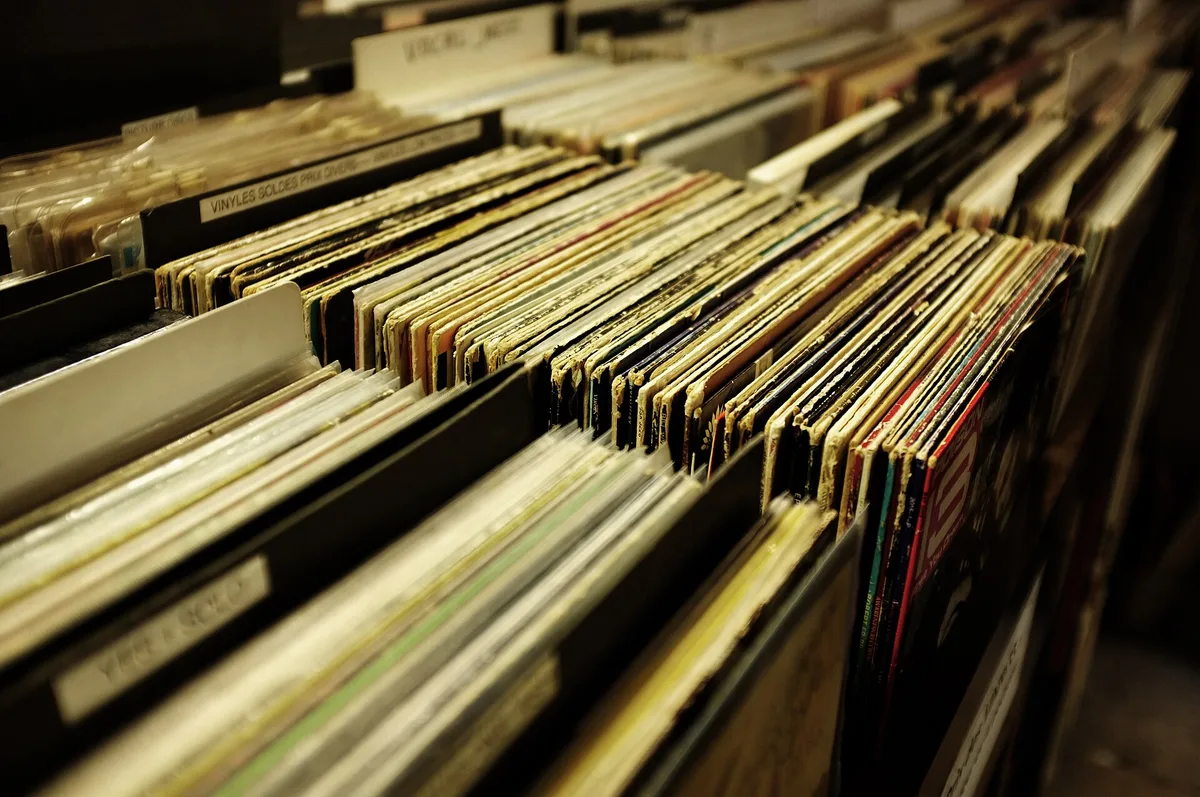
Vinyl is a physical medium, so it ages. The basics are simple and worth doing right. According to Barnes & Noble's vinyl record store guide, records should be stored vertically in a crate or carrying case — never stacked horizontally — in a clean, dry place away from extreme temperature changes, and handled by the edges or the inner label. Those rules exist because heat warps a disc and pressure bends it, and a warped record never quite forgives you.
Cleaning matters too. Dust in the groove is the main source of surface noise. A carbon-fibre brush before each play and a deeper clean for older records will extend both the record's life and your patience. Treat the collection like gear, because it is gear.
What this means for how we listen now
The vinyl vs streaming question is really two questions wearing one coat. On pure fidelity, a good stream on a good system competes with, and often beats, a good pressing — especially on sub-bass, which dance music lives on. On experience, vinyl still wins: the sleeve, the cue, the drop, the crate. Streaming is how we find music. Vinyl is how we keep it.
Our analysis: the two formats stopped competing years ago and settled into roles. Streaming is the library. Vinyl is the archive and the instrument. Dance music, a culture built on machines and rituals, needs both — and the healthiest scenes are the ones where the playlist and the pressing feed each other.