If you want real connection at a live music event, the evidence points one way: pick a small camping festival with a single stage, and stay for every day of it. The format is built so artists and fans share the same grounds, the same meals and the same nights — something a one-day show in a hall structurally cannot offer. The trade-off is scale: you get fewer bands and one stage at a time, so check the lineup before you commit.
The case comes through most clearly in a recent feature from Live For Live Music, which spent a few days at Domefest this August and came away arguing that intimate camping festivals are the sweet spot for fans chasing community, not just sets. The details below turn that reporting into practical decisions: what to look for, what to expect on site, and how the format differs from everything else on the festivals calendar.
What makes a camping festival feel intimate?
Three structural choices do the work, and you can check for all of them before buying a ticket. For related coverage, see Switching Genres Mid-Set: How DJs Move Between BPMs Without Losing the Floor.
- One stage at a time. Domefest runs a single stage, so there are no overlapping sets and no split attention. As festival founder Greg Ormont of Pigeons Playing Ping Pong put it, everyone experiences the same festival at the same time.
- Camping on shared grounds. Multi-day camping means you commiserate and celebrate with the same people for days. Attendee Kitty Tardani described bonding with neighbors after a storm and gathering at campfire jams — things, she argued, single-day shows just don't allow.
- Artists inside the crowd, not behind it. Since the first Domefest in 2010, Pigeons Playing Ping Pong have encouraged bands to go into the crowd and enjoy the music. Keith Allen of The Mantras says that at a festival thrown by a band you love, you'll likely see a member ride by in a golf cart — a dynamic you don't get at a club.
Music photographer Craig Shaffer frames the payoff plainly: festival attendees are often seeking "a brief yet fulfilling sense of home, tribe, reunion, and healing," and he compares the event to "an intentional community that resembles a thriving, spontaneous city."
What does that closeness actually look like on site?
Expect unscripted moments, not staged meet-and-greets. The Live For Live Music reporting documents several from Domefest, held at ACE Adventure Resort in West Virginia's New River Gorge area:
- Saxophonist Destiny Pivonka chatted with a fan leaning against the monitor before Sneezy's set — close enough that the fan grabbed her setlist off the stage mid-conversation, then got it for real after the last note.
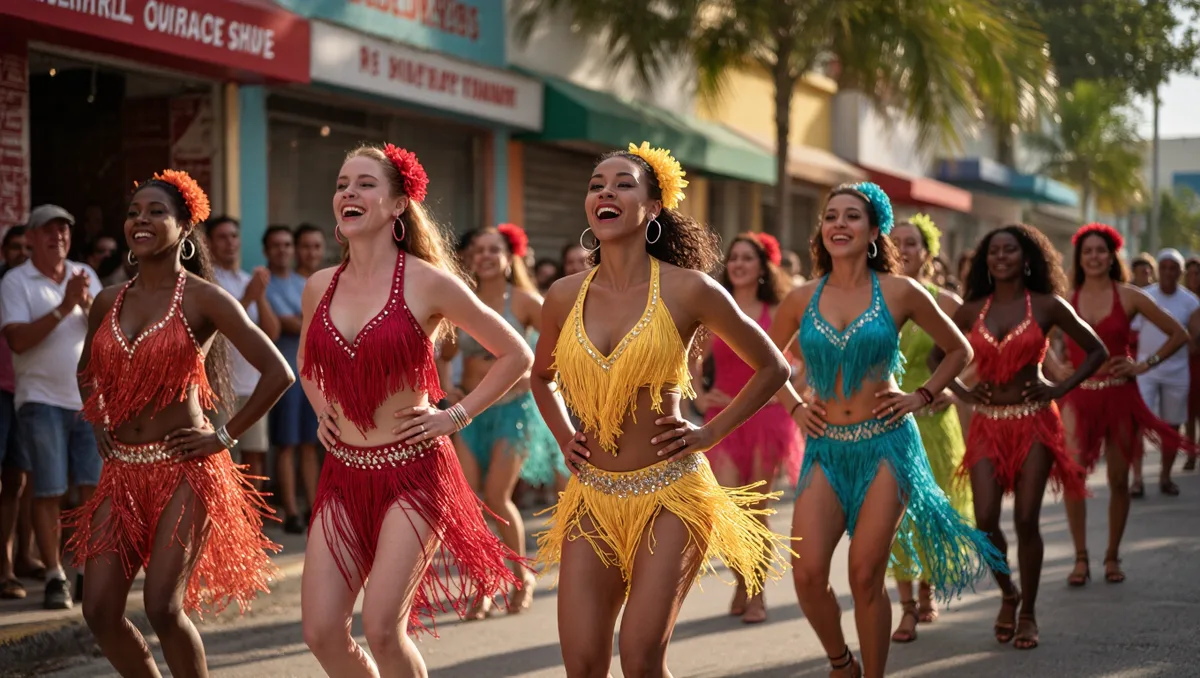
- Kendall Street Company played the art gallery stage with barely a foot between band and front row, passed around ice cream, and led a dance party that ended with a fan on someone's shoulders.
- Sneezy brought a full-size parachute into the crowd mid-set and turned it into a game while singing from the middle of the fans.
- Bandleader Andy Frasco describes the routine from the artist side: "I'm in the campsites, I'm drinking at their fire pit with their aunts and cousins."
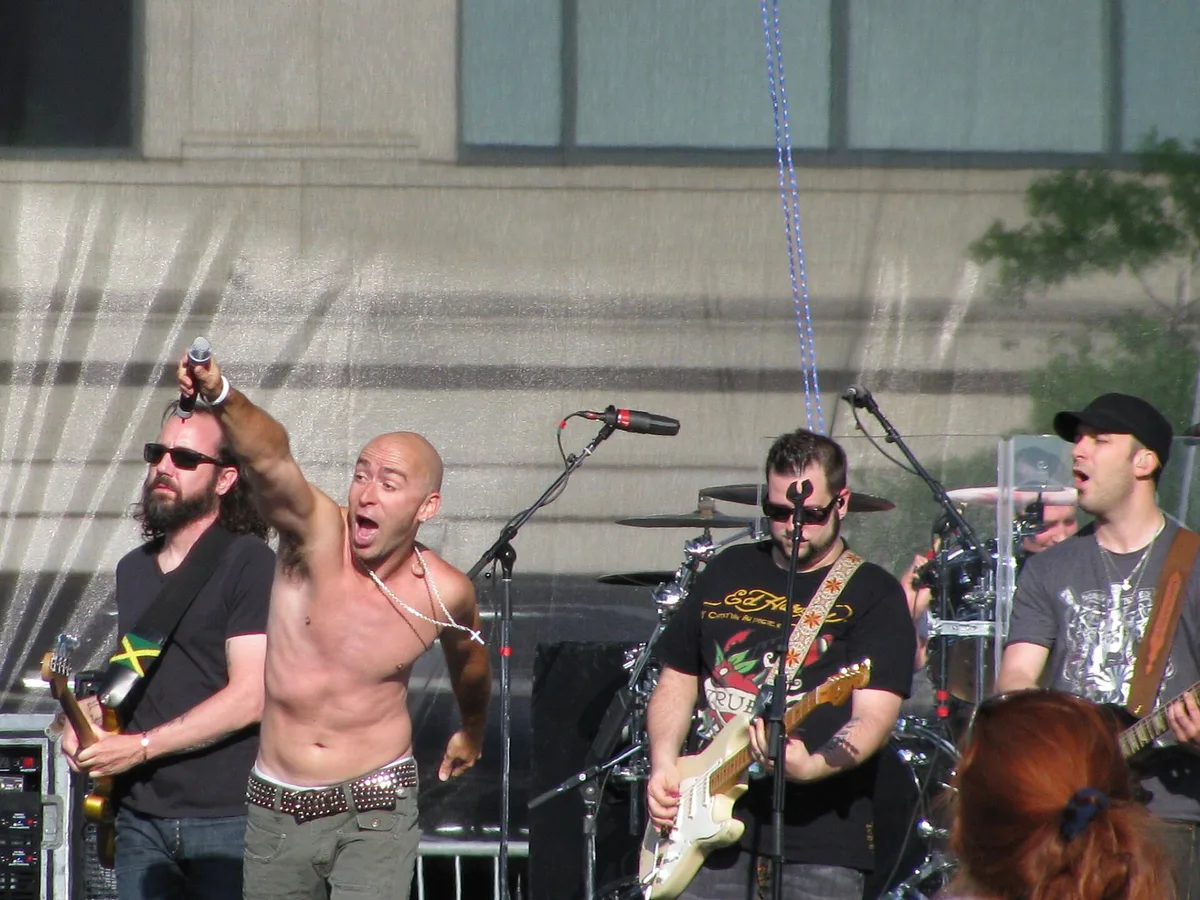
Kendall Street Company frontman Louis Smith told the outlet there's no press line and no scheduled meet-and-greet — artists simply spend the weekend doing the same things as everyone else. His read on the atmosphere: "Music festival energy is way more unleashed than a typical club show," with crowd energy moving "like a wave that moved from stage to stage."
How do you pick a festival that delivers this?
Use the Domefest model as your checklist. Before you buy, verify each item against the promoter's own announcement, and remember that dates, venues and lineups are subject to change: We covered a connected angle in DJ Controller vs CDJ: Which Setup Should You Buy?.
- Check the stage count. One stage at a time is the core of the format — it's what removes the split attention of overlapping sets.
- Confirm camping, not just parking. The multi-day campsite is where the bonding happens. Tardani's storm-and-campfire anecdotes only exist because everyone stays.
- Look for band-run events. Domefest was founded in 2010 by Pigeons Playing Ping Pong during the band's senior year of college. The Mantras run their own Mantrabash in North Carolina in November. Artists who own the event build the open-grounds culture in from day one.
- Read how the promoter describes artist access. Ormont's test: at a normal show there's a clear divide between band backstage and fans in the crowd; at Domefest you might run into the same person at breakfast, at the waterfront, and by the stages.
- Size matters. Domefest stays intentionally small. If an event markets itself as intimate but books four simultaneous stages, the structure isn't there.
Can you get the same feeling at big festivals?
Only with effort, and only in one spot. The Live For Live Music feature draws a direct line to rail-riding culture: fans wait in line for hours, sometimes overnight, for a spot on the railing — chasing the same nearness an intimate festival hands over more freely. Jenna Fiore, who has stood at the rail for more than 80 Pigeons Playing Ping Pong shows, credits it with building her whole connection to the band's fan community: "Everything I know about Pigeons comes from being on the rail. It's how I met my first friends in the Flock."
So at a large event, the rail is your version of the campsite: one fixed place, the same neighbors, repeated over many shows. It works. It just costs you the hours in line that a small festival gives you back.
What should you do differently once you're there?
The format rewards participation over consumption. Based on how Domefest works per the reporting:
- Stay on site for the full run. The repeated encounters — breakfast, waterfront, stages — are what turn strangers into friends by Sunday.
- Expect artists in the crowd and plan around it. If a band is encouraged to walk the grounds, the conversation before the set is part of the show.
- Bring something to share at the campfire. Tardani's campfire jams and Frasco's fire-pit visits only happen where fans set them up.
- Swim, hike, wander. Domefest leans on its New River Gorge setting; the shared daytime activities are half the connection.
What the evidence establishes is the mechanism: open grounds, shared campsites and days instead of hours make closeness the default instead of the exception, as the feature puts it. What remains unknown is how any specific festival runs in practice — lineups, access and layouts change year to year, so verify everything against the promoter's current announcement before you go.