Eating well at a festival comes down to three moves: eat a real meal before the gates, carry food you're allowed to bring, and time your one bought meal a day for the quiet window between 4 and 6 p.m. That's it. Do those and you'll skip the queue, keep most of your budget and dodge the day-three crash.
The catch is that every festival sets its own rules. Some allow sealed snacks and empty bottles; some search bags and confiscate anything that looks like a picnic. Check the food and drink policy on the event's own site before you pack, because what counts as "sealed" varies more than you'd think. Food prices and opening hours on site are set by promoters and vendors, so treat anything you read here as a pattern, not a promise.
This guide covers the budget moves, the timing, the camping-festival kitchen and what to do when your stomach turns at the smell of a burger stand on Sunday. If you're still deciding what kind of weekend you want, our guide to Day Festival or Camping Festival: Which One Fits You? changes the food math completely.
What should you eat before you even get in?
The biggest meal of your festival day is the one you eat before entry. A proper breakfast at your tent, hostel or train station costs a fraction of the same plate inside the gates. It also buys you patience: a fed person queues calmly, a hungry one makes bad calls at 2 p.m.
If you're arriving by rail, this stacks nicely. Our Europe's Festivals by Train: The Raver's Rail Guide covers station bakeries and supermarket stops en route, which are the cheapest food strategy in the whole scene. Buy bread, fruit and something protein-heavy at a normal shop price, then eat like a person, not a captive customer.
One practical note: many events now run cashless payment on site. Before you go, read How Festival Cashless Wristbands Actually Work so a low balance doesn't ambush you at the food court.
How do you spend less without eating worse?
The honest answer: you can't beat on-site prices, but you can shrink how much of your diet they cover. Treat vendor food as one meal a day, not three. The rest comes from what you brought or what's outside the gates.
- Bring the allowed stuff. Sealed snacks, nuts, dried fruit and cereal bars survive heat, rain and being sat on. Check the bag policy first; rules differ by event.
- Find the free water. Most events with any licensing care at all run free water points. Refill constantly. Paying for water is the single most avoidable spend on site.
- Eat off-peak. The 4 to 6 p.m. lull between afternoon acts and headliners is when queues vanish and some vendors soften on portion sizes. Eat late afternoon, dance through the evening.
- Share big portions. Festival plates skew generous. Two people splitting one order beats two people each buying something they won't finish.
- Scout the day one map. Food areas at the back of the site are quieter and sometimes cheaper than the strip next to the main stage. Spend ten minutes walking the full food court on day one.
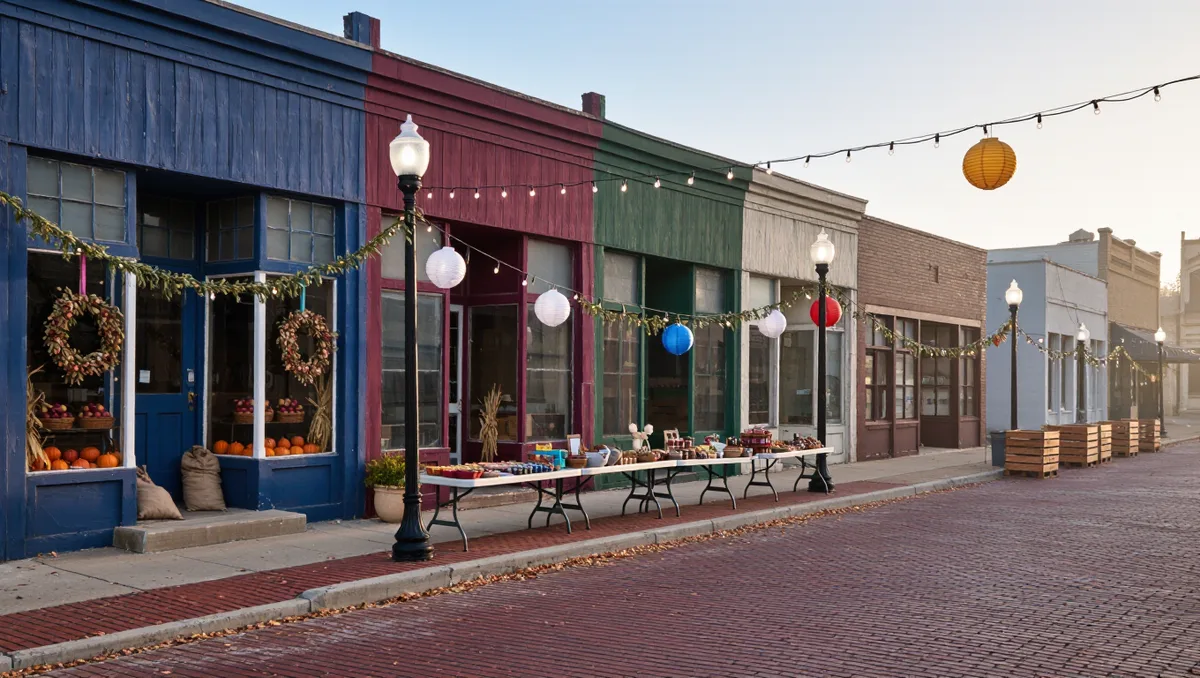
Free-entry events flip the economics entirely, since you only pay for what you eat. New Hampshire's Apple Harvest Day in Dover, for example, is a free downtown festival built around food stalls and an apple pie contest, and New Hampshire Magazine reports over 50,000 people are expected to attend the 2026 edition, which runs 9 a.m. to 4 p.m. on October 3. That model, food as the attraction rather than a captive add-on, is why smaller food-forward festivals often eat better per dollar than the giants.
How do you avoid the day-three crash?
The day-three crash isn't mysterious. It's dehydration, sleep debt and three days of eating whatever was nearest, arriving at once. By Sunday your body wants what it always wanted: water, salt, protein and vegetables. The site is offering fried dough.
The fix starts on day one, not day three. Alternate your bought meals: rich one day, plain the next. If Friday is a loaded fries kind of day, make Saturday's meal something with actual protein and something green in it, if the vendors offer it. Most decent-sized food courts now include at least one stall selling grain bowls, wraps or fruit, and it's usually the one with no queue.
Water is the other half. Dancing for six hours in sun or in a packed tent costs more fluid than you feel. Refill at every water point you pass, not when you're thirsty. Thirst is late. Pair every few hours of dancing with a full bottle and a salty snack, and Sunday-you will still be able to form sentences.
Sleep does the rest. Our Festival Camping Guide: Sleep, Survive and Actually Enjoy It covers the tent side; the food side is simply that a body sleeping four hours a night needs better fuel than one sleeping eight. Feed it accordingly.
What do you cook if you're camping?
Check the cooking policy before you pack a stove. Many campsites ban open flames and gas stoves entirely, for very good fire reasons, so cold-kit camping is the safe default: things that need no heat at all.
- Bread or wraps, which double as plates for everything below.
- Hard cheese, cured sausage or hummus, the protein backbone of a cold kit.
- Apples, oranges and carrots, which survive being kicked around a tent.
- Instant oats in a cup, if the site allows hot water, which campsite catering points often do.
Keep everything sealed and off the ground. Wildlife at rural campsites has learned what a cooler bag sounds like. And pack out what you pack in; a tidy campsite is the cheapest goodwill you'll ever buy your neighbours.
What if you can't face food by Sunday?
It happens. Noise, heat, late nights and the smell of the same eight stands can flatten anyone's appetite. Don't force a full meal. Go liquid and simple: a smoothie or fruit stall if one exists, electrolyte drink, plain carbs like bread or crackers. Then sleep. Appetite usually returns with rest.
Two things worth flagging. First, if you have dietary requirements, message the festival's food vendors in advance or check their listings; bigger events publish vendor lists with vegan, gluten-free and halal options marked. Second, never leave drinks unattended and eat only from busy stalls with visible cooking, the same basic judgment you'd use anywhere. If you're building your overall weekend plan, our Your First Festival: What Actually Happens and What to Bring covers the wider checklist.
What this means for your next festival
Eat a real meal before entry, carry what the rules allow, spend on one good off-peak meal a day, and drink more water than feels necessary. Do that and the food question stops being a crisis and becomes part of the weekend. The evidence for all of it is boring and consistent: fed, hydrated people last the full three days and enjoy the headliners they paid for.
One last scene note. Food is culture at these events, not just fuel, and the smaller the festival, the truer that gets. From Dover's apple stalls to the vendor rows behind any European main stage, what a festival feeds you says a lot about what it thinks a festival is for. Browse the rest of our festivals coverage for more on picking your weekends well.