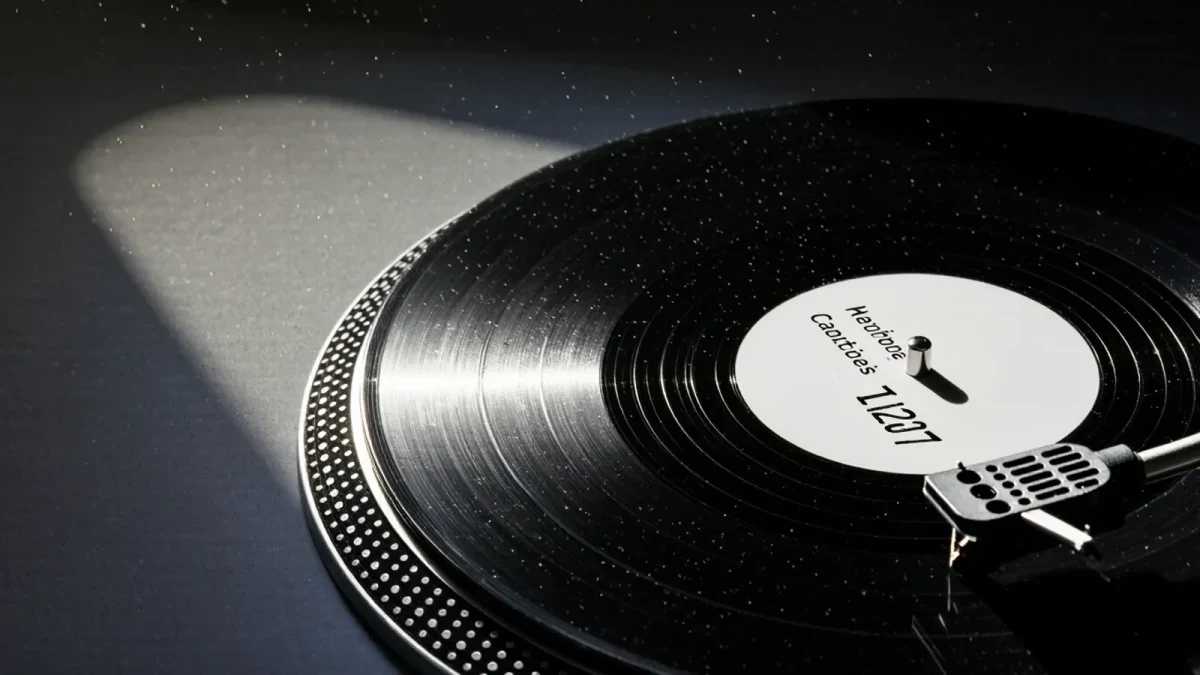
A white label is a vinyl record pressed with a plain, unprinted label — usually a white sticker with a handwritten or stamped title — and no artist credit, label name or artwork. The format was born as a legal workaround and became an aesthetic: proof that in dance music, the record's identity is the music, not the packaging.
Why were white labels invented?
To route around clearance problems. When early house, techno and garage producers remixed tracks they had no rights to, pressing a run of unmarked records made the release hard to attribute and easy to disown — a bootleg could circulate in shops and DJs' bags while the person behind it stayed, officially, unknown. The white sticker also served a second, fully legal purpose: test pressings. Labels would press small quantities of unlabeled vinyl to check the cut in a club system before committing to a full run, and those tests, handed to a handful of DJs, doubled as advance promo. The 1990s garage and house scenes industrialised both uses — New York and London record shops had white label bins that functioned as the scene's filter: if an anonymous record moved a dancefloor with no name attached, it earned a proper release.
What did the anonymity actually do?
It changed the audition. A white label removes brand, artist history and genre signage — the buyer hears the record with nothing else attached. For producers, that neutrality was protection and marketing at once: a respected scene name could release experimental work without embarrassing their label, and an unknown could compete on equal footing with a hero. Scene etiquette formed around the game: shops knew who was behind the big white labels, DJs traded guesses, and the eventual reveal — if it ever came — was a scene event. The format also created the collectible economy of scarcity: a run of 300 unmarked records with no reissue is as scarce as music gets, and decades later, discographies of major dance labels still list white labels as the prized early entries.
How does a white label get made?
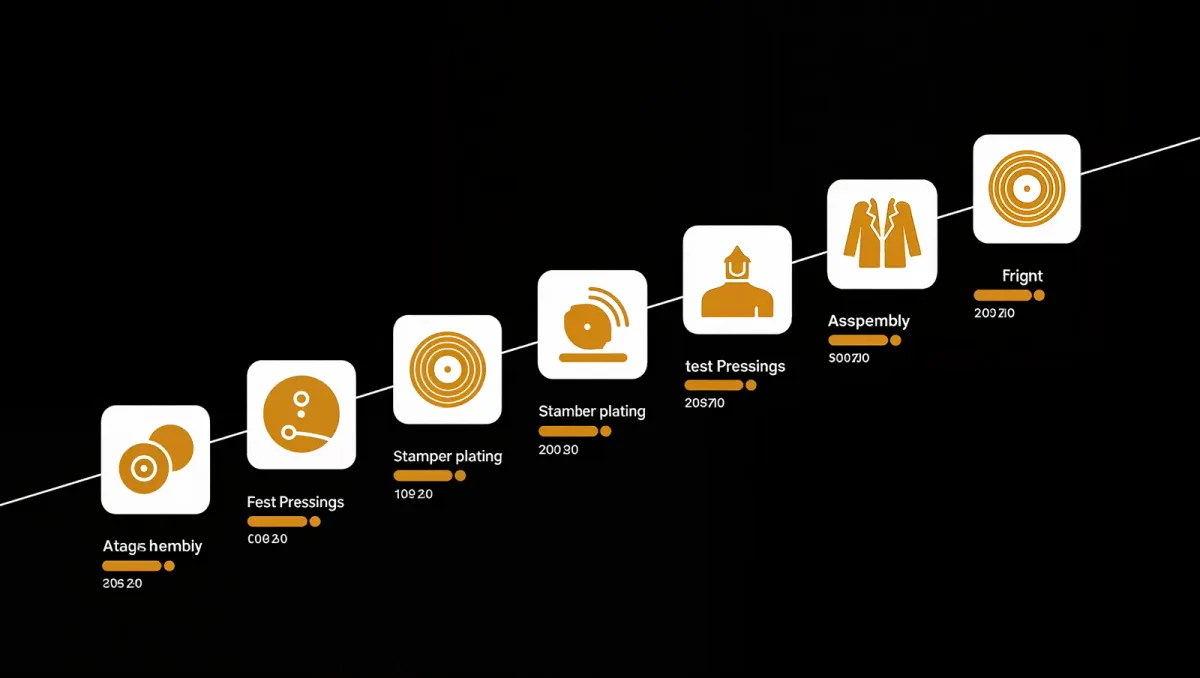
The physical process is identical to any vinyl pressing — the difference is only what is printed on the label.
- Cut and plate. The mastered audio is cut to lacquer and plated, exactly as for a commercial release.
- Press small. A short run — 100 to 500 copies is typical — is pressed with blank labels.
- Stamp or write. The label area gets a hand-stamped title, a scrawled catalogue number, or nothing but the white paper itself.
- Circulate. Copies go to specialist shops, directly to DJs, or into the bags of a promoter's inner circle.
Does the white label still matter in the streaming era?
Less as necessity, more as theatre. The legal workaround is largely obsolete: platforms identify audio automatically, so an anonymous upload is not anonymous for long, and the vinyl bootleg economy has shrunk with vinyl's own niche economics. What survives is the white label as a signal — labels still press them as test balloons and collector bait, and a hand-stamped sleeve still tells the buyer this is aimed at DJs, not playlists. Instrumental tool EPs, dubplates and one-sided pressings carry the same grammar: no cover star, no campaign, just music aimed at people who play it out. In a market where every release arrives with a visual identity and a press narrative, the deliberate blank is the loudest statement available.
What is the difference between a white label, a dubplate and a test pressing?
Terms that blur at the edges but start in different places. A test pressing is the factory's proof copy — a handful of records made to check the cut before mass production, labelled as such. A dubplate is a one-off cut directly to lacquer or acetate, playable a limited number of times before it degrades; sound-system culture, from Jamaican dancehall to UK bass, used dubplates to premiere tracks years before release. A white label is a small pressed run with no printed identity, whether bootleg, promo or statement. All three share the same economy: scarcity, insiders first, and music that proves itself in public with no name to hide behind.
How do collectors identify white labels today?
With detective habits the internet has half-automated. A stamped title or a hand-scrawled catalogue number is matched against discographies, label archives and old shop lists; run-out etchings — the scratched matrix codes in the vinyl's dead wax — often carry the pressing plant and sometimes a signature or a hidden message. Online discography databases crowdsource the identification work that shop counter gossip once did, and a once-anonymous record gradually acquires its name, its maker and its market price in public.
The valuation logic follows the old rules: condition, pressing quantity and provenance. A white label of a track that later became canonical, pressed in a run of a few hundred before the official release existed, is the collector grail — the artefact from the period when the record had no name. Fakes exist, as they do wherever scarcity pays, so provenance — where a copy came from, who sold it, what else that seller had — is the collector's real expertise. The blank label, designed to hide authorship, ended up making provenance the whole game.
Why does the aesthetic still sell?
Because it compresses the scene's values into an object: anti-commercial intent, DJ-first targeting, scarce supply and a whiff of risk. A hand-stamped sleeve tells the buyer the release was never meant for them — the general public — which is precisely why they want it. Labels know this and stage it carefully: numbered editions, one-sided pressings, unmarked promo runs are all the white label's grammar repurposed for a market that now reads the dialect fluently. The blankness was a workaround; it survives as a uniform.
The plain sleeve endures because it encodes the scene's oldest claim — that a record should be judged on the dancefloor, by strangers, before anyone knows whose name would profit from it. Everything else on the sleeve is, and always was, marketing.