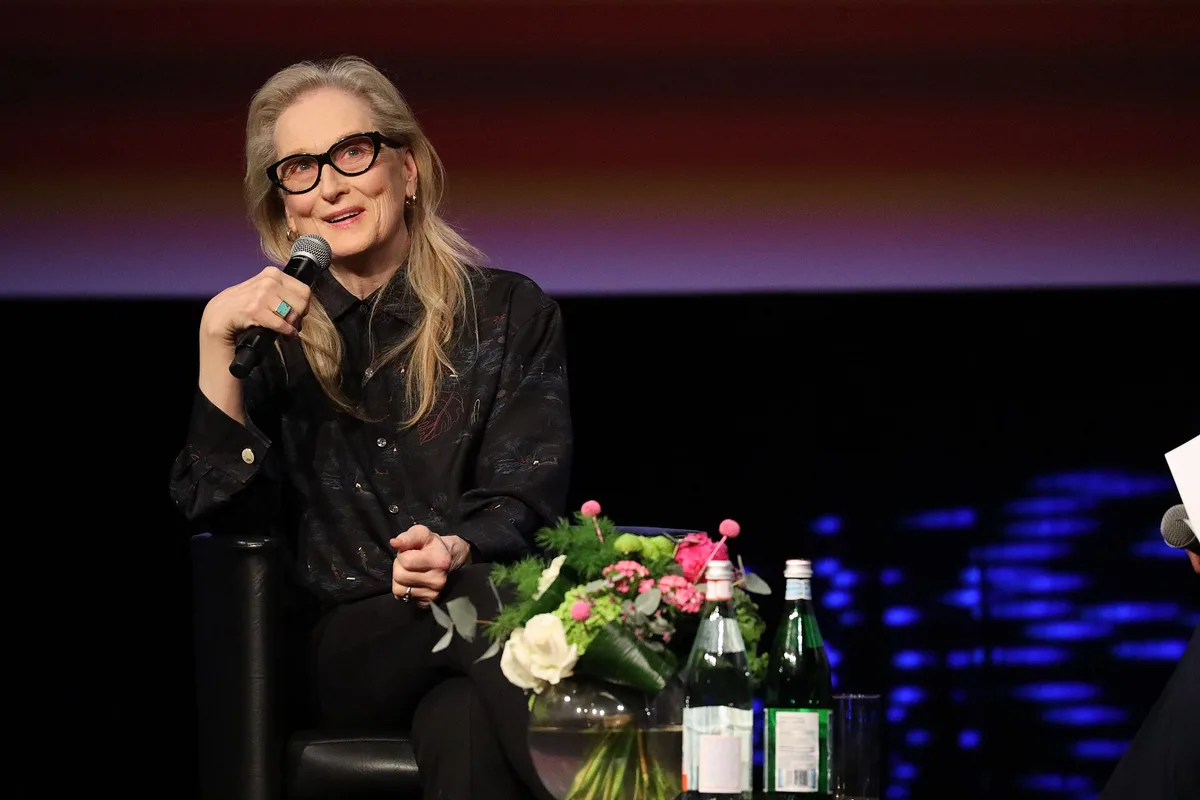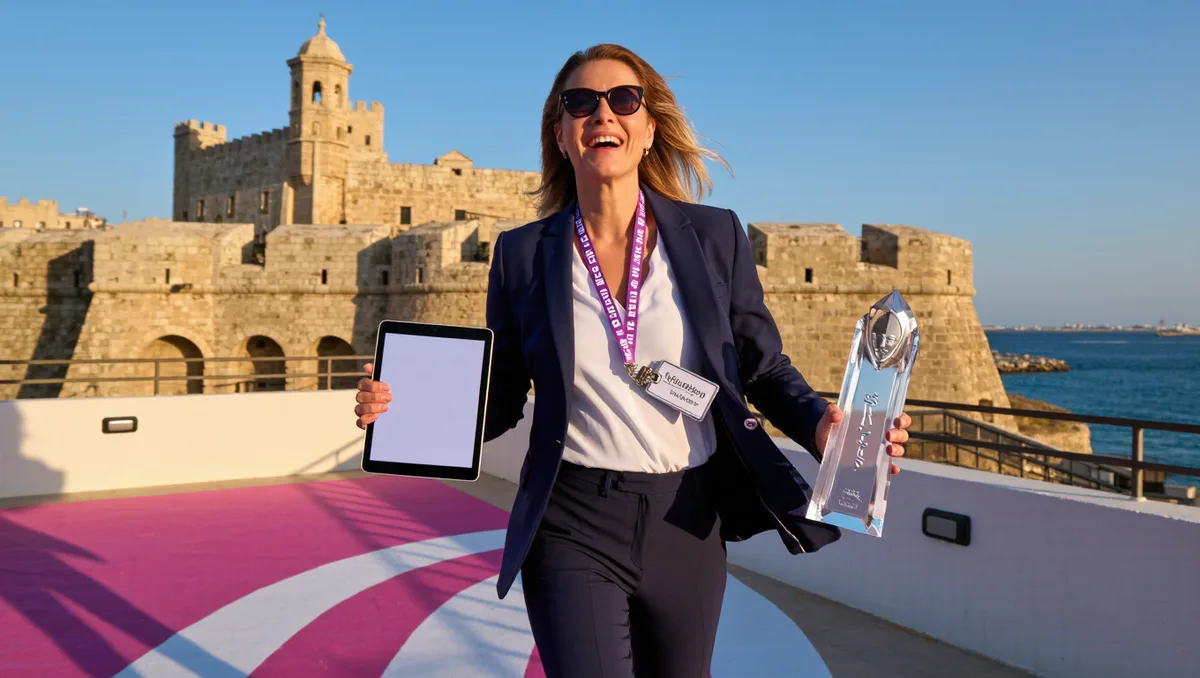
Maria May, Music Agent and Head Of Electronic, International at CAA, won the IMS Legends Award in 2025. She was the first woman to receive it in 20 years, and the youngest recipient ever. Per Pollstar, the award was long overdue: May is one of the architects of the modern electronic music industry, with a roster including David Guetta, Black Eyed Peas, Meduza, Becky Hill, Hugel and Sara Landry, plus newer headliners like Marlon Hoffstadt, Myd, Layla Benitez and Lanna.
Her win is a useful hook for something bigger. The history of dance music has been shaped by women behind the scenes and on the records, and knowing who they are changes how you hear the parties you attend today. Whether you're scanning a festival lineup or queuing for a club, the business above the booth has fingerprints on it — and many of them belong to women.
When May accepted her award, she used the speech to name as many of those women as time and memory allowed. She was clear that the list wasn't exhaustive. Pollstar then asked her to walk through a selection of them, and the result doubles as a short history of how electronic music went from underground to stadium status.
Who is Judy Weinstein, and why does she matter?
Judy Weinstein is one of the women responsible for changing how the traditional music industry saw dance music. In the late 1970s she launched the For The Record record pool. In 1987 she co-founded Def Mix Productions, which became the agency and management company representing some of the hottest DJs of the era: co-founder David Morales, Satoshi Tomiie, the late Frankie Knuckles and Hector Romero. She also repped Lord G and Larry Levan, and booked New York's legendary Paradise Garage. For related coverage, see Day Festival or Camping Festival: Which One Fits You?. For related coverage, see Day Festival or Camping Festival: Which One Fits You?.
May met Weinstein in New York when May was only 17. Years later, that encounter led to May representing all of Weinstein's clients in Europe. May calls Weinstein her "second mum" and credits her with teaching her how to do business "the house way": firm but fair, with integrity, and with room for everybody to thrive. In May's telling, you don't have to kill everybody you come across to succeed in business.
What does the dance floor have to do with business ethics?
May traces that communal streak straight back to the club. The dance floor, she says, was the original safe space: a place where people of any background, belief or accomplishment became equals. Weinstein, who used to be Larry Levan's flatmate, saw first-hand what a sanctuary the nightclub offered to the black gay music scene. May believes a lot of Weinstein's protectiveness toward her artists evolved from that.
It still holds, even as the underground club comes under pressure in the current music economy. If you've ever wondered why the etiquette inside a good room feels different from the street outside, this is the lineage: the floor set the terms, and the people who ran the business learned them there first.
How did a queue in Miami shape an entire career?
Not every alliance starts on a dance floor. Some start in a queue. May met Kim Benjamin, founder of Kimco Entertainment and a leading agent in electronic music, on May's birthday in the queue at Miami's Winter Music Conference at the Fontainebleau Miami Beach. This was planned: both women had agreed to meet there, at a time when nobody yet carried mobile phones.
They have been best friends ever since. Benjamin helped May sign Deep Dish, which May calls a pivotal moment in her career. She also opened New York up to May, who flew over from London every other weekend through the 1990s, going to parties and meeting DJs. "Her roster was so sick; she was just the coolest booking agent on the planet," May says. The two still spend Christmas together.
Why were women in the industry so rare back then?
May is blunt about the odds. She had never met an American woman in business before Benjamin, because there weren't many around. And some of the women she did meet in those days weren't friendly, possibly because they saw each other as competition. That isolation is part of why the networks mattered so much: a queue in Miami, a record pool in New York, a hometown scene in London in the late 1990s and early 2000s, when Ministry of Sound was the place to be.
It's hard to imagine now, when some of the biggest names in music are dance artists, that the genre was once so underground you had to search for the parties or be invited by the already initiated. The traditional industry, at one point, did not take it seriously. The women who changed that perception did it while working against a scarcity of peers.
What should you take from this the next time you go out?
Names carry weight. Frankie Knuckles, the late house icon, was one of May's clients; May sits on the advisory boards of Lady of the House and the Frankie Knuckles Foundation, and serves on the board of Beatport. Knowing the history behind those names makes the music land differently. It's the same principle as knowing what to listen for in any performance: context sharpens the ear.
So next time you're deep in a festival weekend — choosing stages, protecting your hearing, working out the logistics — remember that the culture you're standing in was built as much by agents, managers and record-pool founders as by the people on stage. The evidence for that runs from Paradise Garage to May's 2025 IMS Legends Award, and the list, as May herself said, is far from exhaustive. This connects to our earlier piece, Festival Ear Protection: Keep Your Ears Working After the Weekend. This connects to our earlier piece, Festival Ear Protection: Keep Your Ears Working After the Weekend.