How to choose a music festival comes down to four honest questions: what do you want the weekend to feel like, what can you actually spend, how big a crowd suits you, and how far are you willing to travel. Answer those before you look at a single poster, because the poster is designed to sell you the dream and not the logistics.
There is no single "best" festival. There is only the one that fits you this year. The Dictionary.com definition of the verb is a good place to start: to choose means "to pick from several options" — and picking well means knowing what the options actually are, not just which lineup photo is prettiest.
What kind of weekend do you actually want?
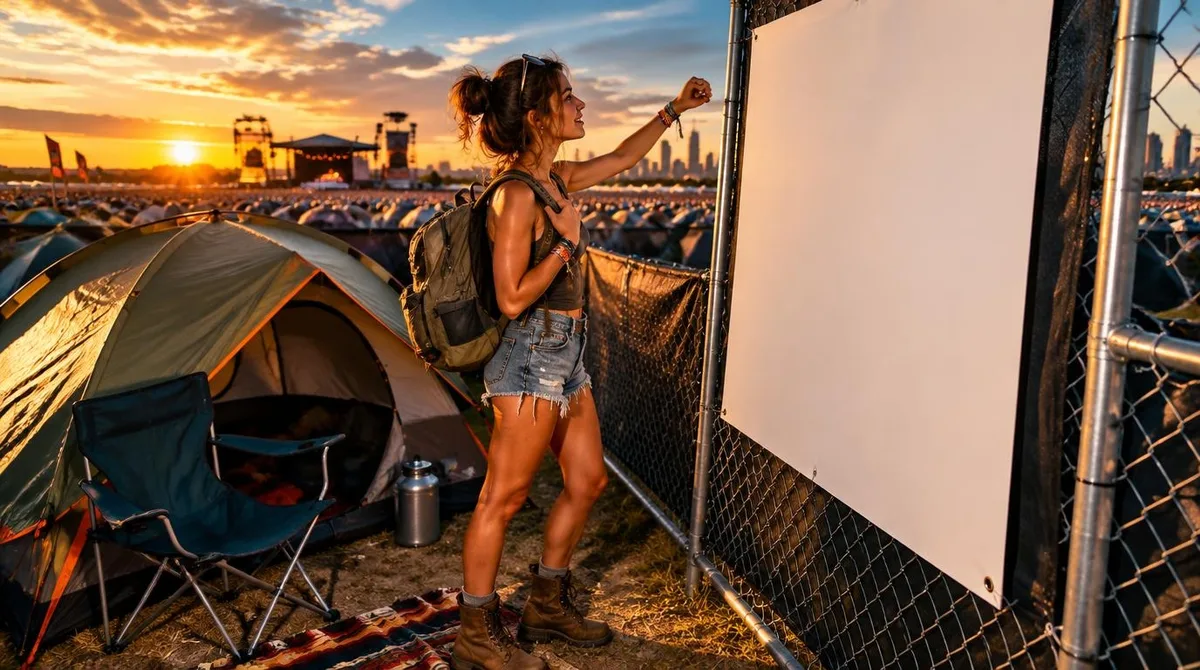
Start with the vibe, because everything else follows from it. A camping festival is a full-immersion week: you live on site, you meet strangers at 4 a.m., and you sleep badly. A city or day festival lets you go hard, go home, shower, and come back the next morning. Neither is better. They are different products. This connects to our earlier piece, Festival Food Tips: How to Eat Well on Site.
Ask yourself what you remember from past weekends. If the answer is "the people in the campsite," lean toward camping. If it's "that one set," a day format may serve you fine. If you're torn, our guide to day festival vs camping festival walks through the trade-offs in detail. For related coverage, see Day Festival or Camping Festival: Which One Fits You?.
Also consider the genre fit. Electronic festivals range from warehouse-scale techno weekends to family-friendly, multi-genre park events. A lineup heavy on DJs means long, evolving sets; a live-act-heavy bill means more shows and less continuous dancing. Neither is wrong. Know which one you want before you buy.
How much will it really cost?
The ticket price is the entry fee, not the total. Budget for the whole weekend and you'll avoid the most common regret in festival-going: arriving with no money for the things you didn't plan.
Work through the real stack:
- Tier ticket. Early tiers are cheaper; prices usually rise as tiers sell. Buy when you've decided, not when you panic.
- Travel. Trains, shuttles and fuel add up fast. If you're in Europe, our raver's rail guide shows how rail can cut both cost and hassle.
- Sleep. Camping is usually included or cheap; glamping and hotels are not. Compare tiers before assuming premium camping is worth it.
- Food and drink on site. Festival food is priced at a premium. Our festival food tips cover how to eat well without draining your wallet.
- Gear. A tent, earplugs and decent boots are one-time costs that pay off across many weekends. The festival packing list separates the essentials from the dead weight.
What this means in practice: a mid-priced ticket with cheap travel often beats a cheap ticket with expensive logistics. Price the whole trip, not the poster.
Does lineup size matter as much as you think?
Big posters look impressive and often deliver less per hour than smaller ones. At a mega-festival, your favourite artist may play a 60-minute slot against three other stages; at a boutique event, the same artist may play two hours with room to breathe. Depth beats breadth if you go for specific artists. Breadth wins if you like wandering and discovering.
Read the fine print, not just the top line. Check how the undercard is built — our explainer on how festival lineups get built explains what the booking process actually looks like. Then check the timetable culture: some events publish set times early, some announce them the week of. If you plan your weekend around specific sets, that matters. Our guide on reading a festival timetable helps you plan clashes without losing your mind.
One practical note: a smaller festival with a coherent genre identity often books better across the whole bill than a giant with one strong headliner and a thin middle. Look at the third and fourth name down, not the first.
Can you actually get there — and back?
Logistics kill more festival weekends than bad weather does. Before you commit, check three things: how you get there, where you sleep, and how you get home.
- Distance and route. A festival two hours from an airport hub is a different proposition from one requiring three connections and a shuttle.
- Arrival and exit flow. Some sites process entry smoothly; some produce legendary queues. Read recent attendee accounts, not just official pages.
- Accommodation. On-site camping, nearby towns, or city hotels each change the shape of your day. Book early wherever you land.
If you're going solo for the first time, logistics weigh even heavier — our guide to going to a festival alone covers how to meet people when nobody in your group shares your taste. And if it's your first festival at all, start with what actually happens at your first festival before you book anything long-haul.
Our analysis: match the festival to the version of you that shows up
Here is the judgement this guide rests on: most people choose the festival for the person they imagine being — the one who dances for ten hours and rises with the sun. The person who actually shows up is tired, hungry and weather-dependent. Choose for that person.
So run the checklist honestly. If you hate queues and crowds, don't buy the biggest event because the poster is beautiful. If you love discovery, don't pay mega-festival prices for artists you could see at home. If your budget is tight, pick the smaller event where your money buys the whole weekend instead of one good day. And protect your hearing either way — festival ear protection is the cheapest upgrade on this entire list.
Choose deliberately, in the present tense, and the weekend tends to deliver. The festivals people regret are almost never the small ones. They're the ones picked for reasons that had nothing to do with the person going.