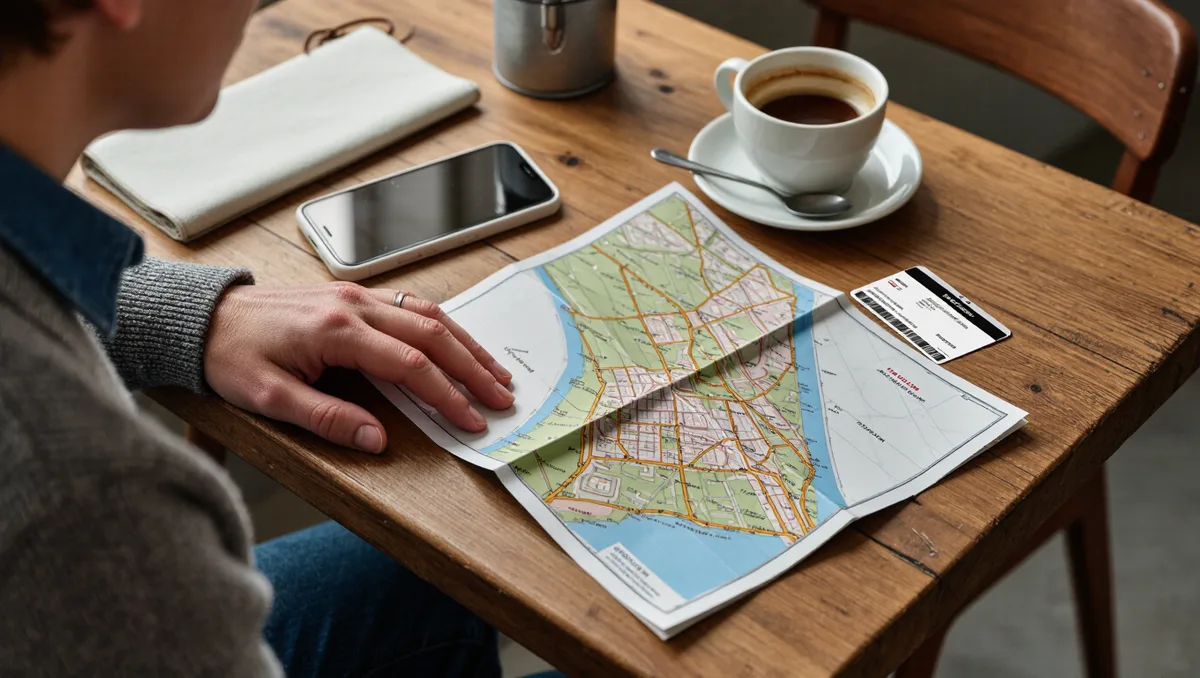
Most of Europe's major electronic festivals are reachable by train, and several were built around it. Tomorrowland runs its own event station with the Belgian rail operator at Boom for its two July weekends; Rotterdam's harbor festivals, Dutch camping events and the German mega-events all sit on working rail corridors — and Europe's night-train network has kept expanding through 2025 with new sleeper routes connecting the festival heartlands, per European rail operators' published timetables. This rail guide covers how to plan a festival trip by train: routes, passes, sleepers, luggage and arrival-day tactics. Information as of August 2026; timetables and special services are subject to change.
Mega Dance publishes information, not travel advice — always confirm times and services with the operators before booking.
Why take the train to a festival at all?
Three reasons that compound. Logistics: no parking lottery — large festivals' car parks fill for hours and exit queues on Monday run longer than the headliner — whereas event stations and shuttle-connected stations drop you within walking distance of campsites. Luggage reality: camping gear is awkward, not heavy, and trains handle awkward better than budget airlines, with no liquids rules, no baggage fees by default and no queue for the hold. And sleep: night trains and early-morning arrivals convert travel time into rest or recovery, which matters when the event itself runs on five-hour nights. The scene context matters too — festivals across Europe have pushed sustainable-travel messaging and rail incentives for years, with discounts for rail arrivals and public-transport-included tickets increasingly common, per events' published travel pages through 2025.
Which festival regions work best by rail?
Three corridors carry most of the calendar. The Low Countries: Belgium's Boom sits on the Brussels-Antwerp line with special event services for Tomorrowland; the Dutch circuit — from the Zuidas-adjacent Amsterdam park events to the eastern camping festivals — runs on the Netherlands' dense national network, with schedules built for late-night revellers on event weekends. Germany and Central Europe: the Ruhr and Rhineland festival belt, Berlin's airport-adjacent and city events, and the growing eastern circuit all sit on high-frequency corridors. The South and the Alps: the Italian, Swiss and Alpine festivals trade distance for scenery — Milan, Turin and the Swiss venues connect from northern hubs in a few hours. The general rule: urban and semi-urban festivals are rail-native; remote rural events need a shuttle or the last bus leg checked in advance.
How do night trains fit a festival weekend?
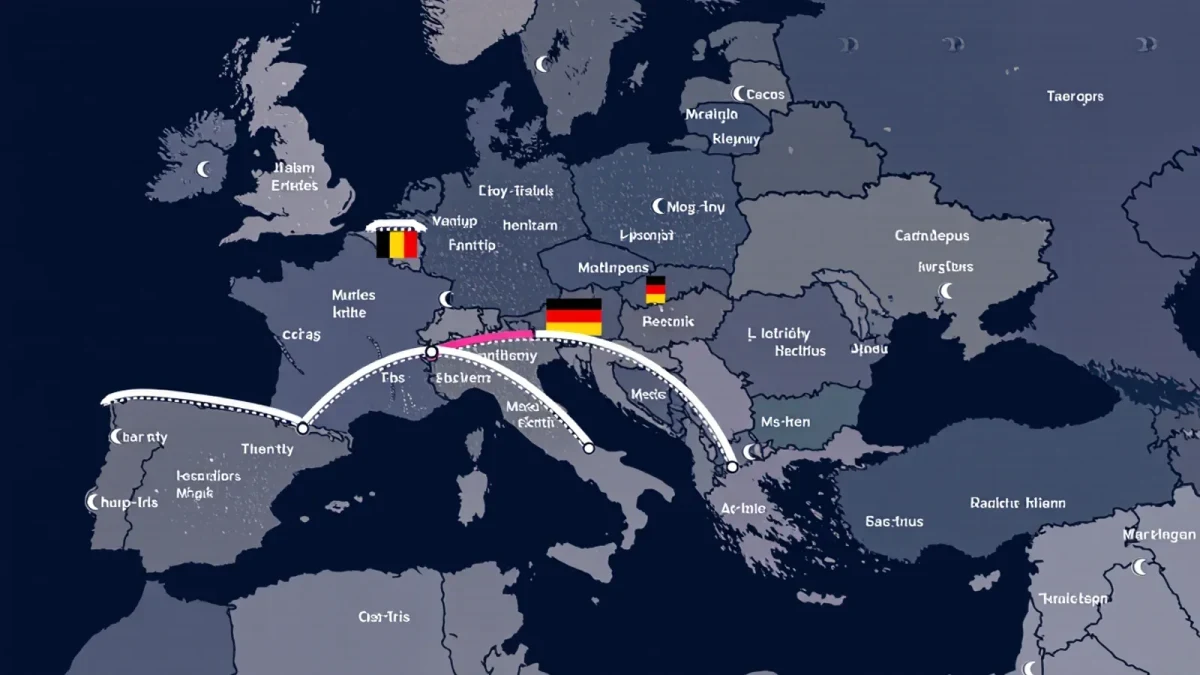
As the Friday-night and Sunday-night problem-solvers. Europe's sleeper network has been rebuilt steadily since the early 2020s, with operators adding and extending routes across the continent through 2025 — per operators' published announcements — and several festival cities sit directly on sleeper lines. The pattern that works: sleeper out on Thursday or Friday night, arriving rested on site by morning; sleeper back on Sunday or Monday, converting the exhausted exit into eight horizontal hours. Book sleepers early — festival weekends and summer Saturdays are exactly when couchettes sell out — and decide your comfort tier honestly: a couchette shared with three strangers and a tent bag is an adventure; a private sleeper compartment is a hotel room that moves. Check the bicycle-and-luggage reality of your specific train before you commit, because not every sleeper has the space your camping setup assumes.
Should you buy a rail pass or point-to-point tickets?
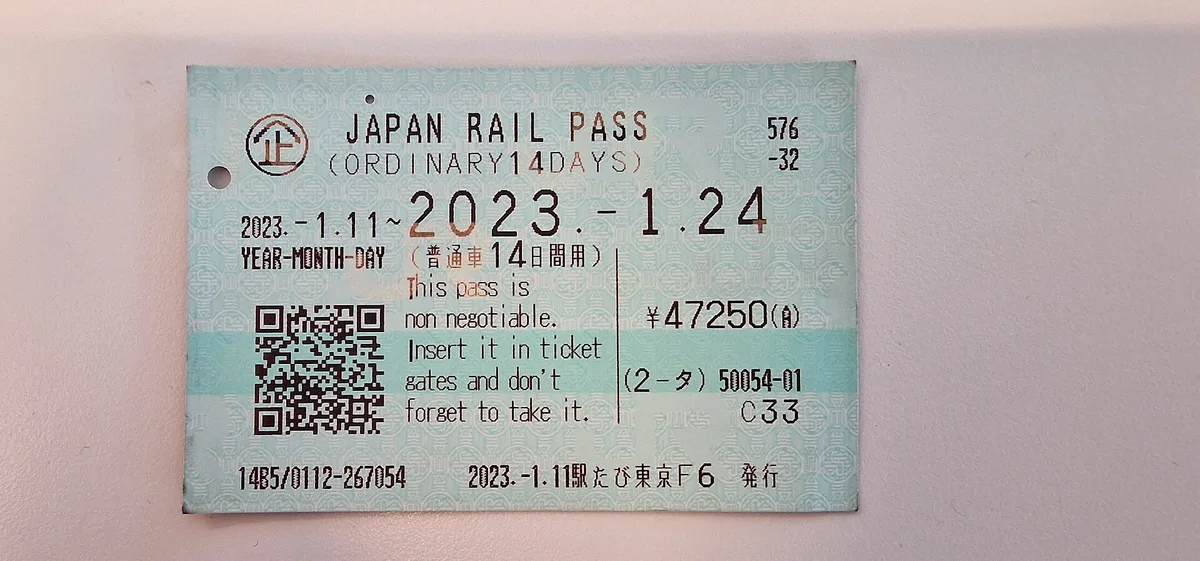
For a single festival weekend, point-to-point booked early is almost always cheaper. For a summer of multiple festivals — the two-or-three-event tour that heavy attendees run — a pass changes the math. The classic Interrail structure gives a set number of travel days within a window, which maps neatly onto festival weekends, though seat reservations on high-speed and sleeper trains cost extra and are mandatory on many routes, per the pass terms published through 2026. The planning sequence: sketch the summer's festivals first, count travel days honestly (a there-and-back weekend is two days, night trains complicate day-counting — check the evening-exchange rules), then price pass-plus-reservations against advance tickets. Regional day passes in Germany, the Netherlands and Austria can also cover festival shuttle legs and local connections a main pass treats as extras.
How do you get from the station to the campsite?
Check the last mile before you book the long leg. The strongest setups are explicit: event stations with dedicated services — Tomorrowland's arrangement with the Belgian rail operator runs special trains for its weekends, per the festival's published travel information — and festivals that include local transit in the ticket or run station shuttles timed to arrivals. The common setups, in descending order of convenience: walkable distance (many urban day events); event shuttle from a named station (most rural camping festivals — note the last departure time against the last train you could plausibly miss); regular public bus (fine, mind the Sunday evening frequency collapse); taxi or rideshare (exists, surges, waits). Write the last-mile plan into your phone with actual times; the festival's travel page, not the message board, is the source.
What should you pack for train-based festival travel?
Pack for a walk, not a car park. A comfortable backpack or convertible duffel that one person can carry a kilometre without misery beats the giant wheeled coffin every time; tents strap to packs, sleeping bags compress, and everything fragile rides padded in the middle. Train-specific additions: earplugs and an eye mask (sleeper or not), a charged power bank — older rolling stock lacks sockets at every seat — food and water for the long legs where the catering car is a rumour, and your ticket QR codes offline. The etiquette that keeps the carriage friendly: soft bags into racks, not corridors; camp chairs dismantled; and the mud-caked return journey — bring a bin bag to sit on and for your boots; your Sunday-evening fellow passengers did not buy tickets to your festival.
How do you handle the return journey?
With more respect than the outbound. The exit-day pattern at every large festival is the same surge, and rail systems absorb it better than roads — but only if you've pre-booked the busy legs. Book the Monday or late-Sunday train in advance, not on the platform; allow real buffer for the campsite-to-station leg at events where shuttles queue; and keep the festival's travel-page updates in reach, because special event services get revised during the weekend. If the outbound was a sprint, the return should be a glide: a shower where the festival offers one, a seat reservation, food that isn't a service-station gamble, and the quiet satisfaction of watching the car-park queue from a window at 60 km/h.
Practical details: planning a rail festival trip
Format: evergreen rail guide; networks and services described as of August 2026, subject to change.
Booking sequence: festival ticket first, then sleeper or long legs, then seat reservations, then last-mile shuttle times into your phone.
Passes: point-to-point for single weekends; pass plus reservations for multi-festival summers — price both against your real itinerary.
Kit: carryable pack, straps for the tent, offline tickets, power bank, earplugs, eye mask, bin bag for the muddy return.