Techno sounds like the future, but it has a hometown. The style took shape in Detroit in the 1980s, built from drum machines, science-fiction ideas, and a specific blend of Black American music and European synth records.
From those warehouses and bedrooms it spread across Europe and never stopped moving. Here is the story, from the first Detroit tracks to the global genre we dance to now.
What Makes Techno Techno
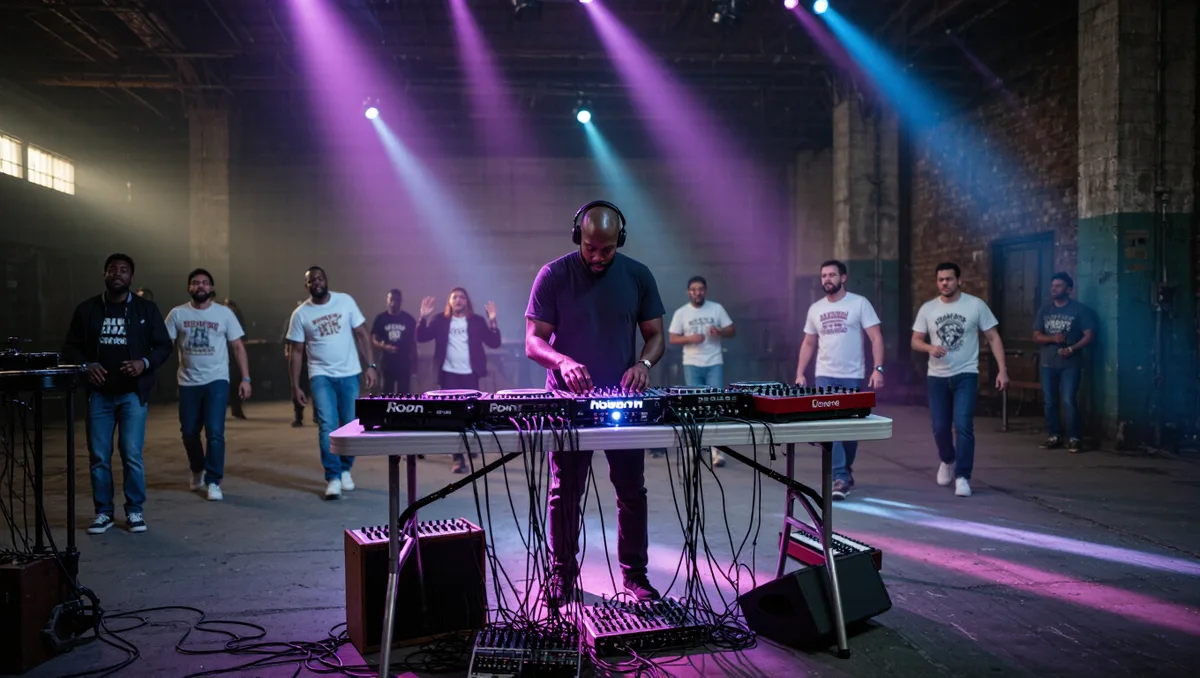
Techno is a genre of electronic music made for continuous DJ sets. Its tempos generally run from 120 to 150 beats per minute, and the central rhythm is typically a repetitive four on the floor beat.
Much of the instrumentation emphasizes rhythm over other musical aspects. Vocals and melodies are uncommon. Sound synthesis matters more, because distinctive timbres carry the track. The style leans heavily on music production technology. That focus on rhythm is a feature, not a limit. It leaves room for the DJ to build energy across a long set.
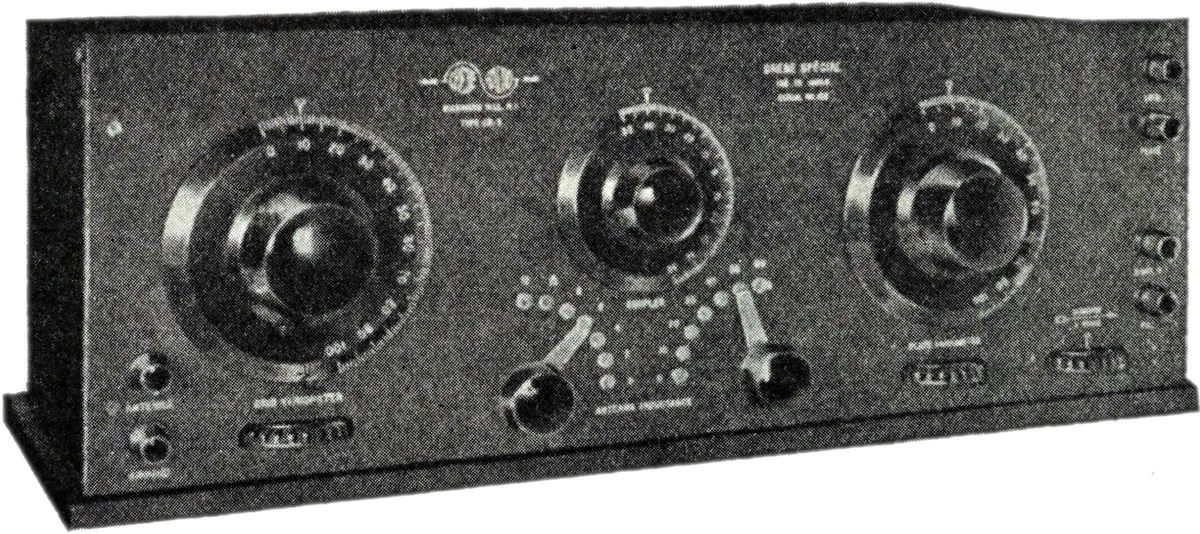
The machines matter too. Drum machines from the 1980s, such as Roland's TR-808 and TR-909, are highly prized. Software versions of them are popular in the style today.
Detroit: Where It Began
The name did not start in Michigan. In the early 1980s, the term described a type of electronic music heard in Germany and Japan. In 1988, following the UK release of the compilation Techno! The New Dance Sound of Detroit, the term came to be associated with a form of electronic dance music produced in Detroit.
The Detroit sound had a clear recipe. It melded synth-pop by artists such as Kraftwerk, Giorgio Moroder, and Yellow Magic Orchestra with African American styles such as house, electro, and funk. That mix gave the music its twin pull: machine precision and human swing. For related coverage, see What Is a Drum Machine? The Boxes That Built Techno and House.
Futuristic and science-fiction themes mattered as well. They spoke to life in contemporary American society, and Alvin Toffler's book The Third Wave was a notable point of reference.
The Belleville Three and the First Wave
Their records defined the sound the rest of the world would borrow. Machines became a movement, and the movement exported itself almost immediately.
The European Takeover
After house music succeeded in Europe, techno grew popular in the United Kingdom, Germany, Belgium, and the Netherlands. Regional variants appeared fast. By the early 1990s, subgenres such as acid, hardcore, bleep, ambient, and dub techno had developed.
Europe made the style its own, too. German writers describe a branch that emerged in 1990, based on Chicago house but shaped by Detroit techno, Belgian new beat, and electronic body music. In the late 1980s it had first been called Techno House. Each city bent the sound to its own clubs and audiences. We covered a connected angle in Apple Music Grabs Head Trip, But What Does the Livestream Race Actually Buy Dance Fans?.
Techno Today
The genre now spans many scenes, and its fans use the word with care. Journalists and listeners keep a clear line between related but often different styles, such as tech house and trance.
The old hardware never lost its status either. Eighties drum machines are still prized, their software emulations still sell, and the four on the floor beat they anchor still moves dance floors around the world.
Conclusion
Techno’s history runs from Detroit’s melding of Kraftwerk-style synth-pop with house, electro, and funk, through a name fixed by a 1988 compilation, to a worldwide family of subgenres from acid to dub techno. The tools changed, the tempo held, and the music kept its taste for the future. That is a long life for sound first made in a midwestern city. It began with machines, a few friends, and a city, and it became a shared language.