Choosing your stage is choosing your festival. The main stage at a big electronic event, the sweaty second tent, the label takeover and the unmarked floor under the food area are four different events sharing one ticket — and this festival stages guide explains how each one works, what the sound and crowd will actually be like, and how to plan a day that uses them all. Descriptions reflect how major European electronic festivals structure their sites as of March 2026; every event differs, and set times are always subject to change.
Why does the main stage feel different from everything else?
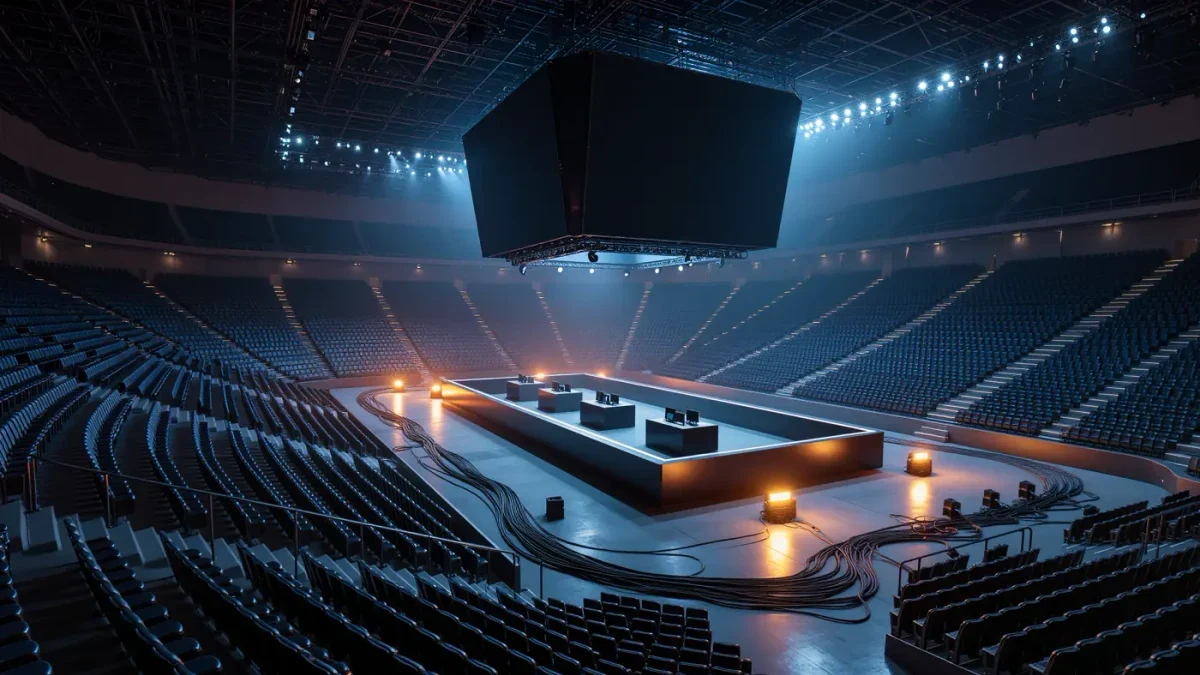
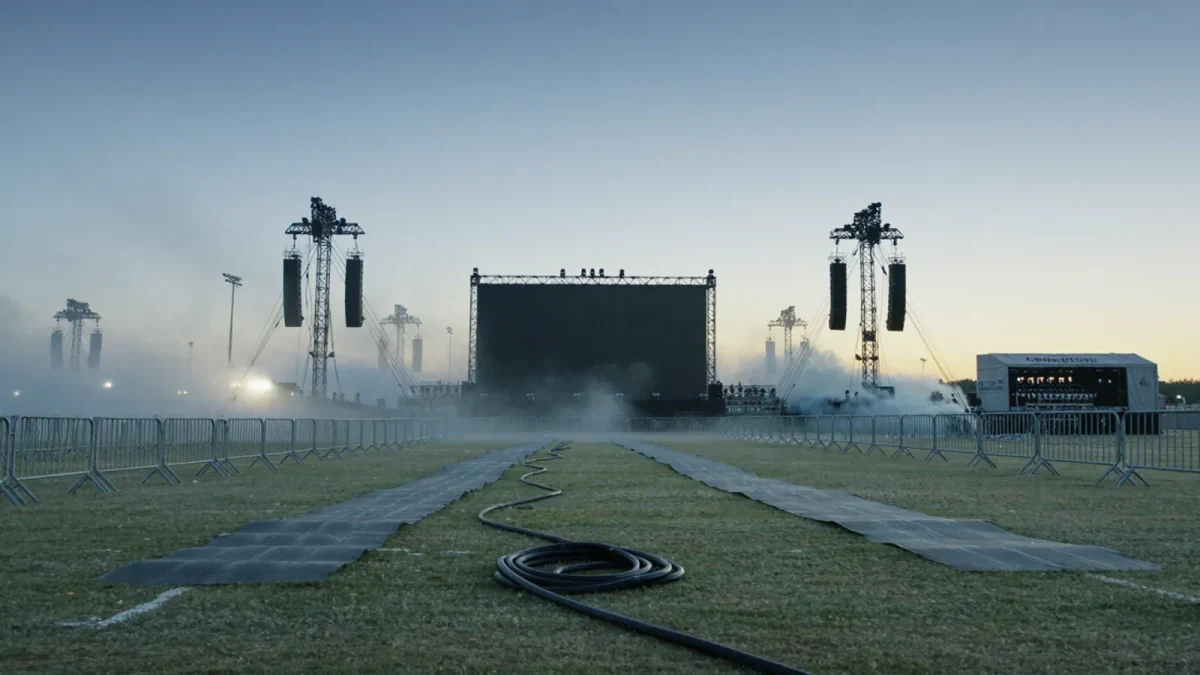
Because it's engineered for scale, not intimacy. Main stages at major festivals are built for the largest single crowd of the weekend: massive video walls, pyro and CO2 budgets, and a sound system tuned to throw clean audio across hundreds of metres. The trade is written into the design — you'll watch screens as much as the DJ, the set will be built in broad, recognisable peaks for the biggest possible crowd, and the barrier-to-back distance can exceed some entire small venues' capacity. Go for the headliner you love and the spectacle; don't expect a b2b curiosity or a six-hour exploration. Genre at this stage is the widest common denominator by booking logic.
What is the second stage actually for?
The second stage is where the festival's identity lives. It usually hosts the genre with a devoted but smaller audience — the techno fort, the drum & bass hangar, the house amphitheatre — with a tighter sound system, closer artist-to-crowd contact and sets that run longer and deeper. Bookers use it to keep the core scene audience loyal while the main stage sells tickets to everyone else. For readers who care about DJing as craft rather than spectacle, the second stage is the default answer to where you should spend the headline hours. Check the running order: second stages often get the best closing slots of the entire weekend.
What is a takeover stage and why should you seek it out?
A takeover stage is curated by an outside party — a record label, a club brand, a collective — that books its own lineup inside the festival. The incentive structure produces sharper curation: the host is selling its identity, not filling a slot, so the bill mixes established names with artists the festival's own booker would never risk. As of the 2025-2026 season, label and club-brand takeovers are standard practice across European electronic festivals, and the smallest of these stages routinely deliver the weekend's most-talked-about set. Find them on the site map first, before you plan anything else.
Tent, open air or warehouse stage — which sounds best?
Each has a physics problem it solves and one it creates. Open-air stages carry sound across distance with line-array systems but lose bass definition and all weather protection — rain interrupts, wind smears highs. Tent stages trap bass and energy, run hotter and louder per square metre, and concentrate the crowd into the DJs' faces; this is where warehouse-genre sets — techno, hard styles, drum & bass — hit hardest. Enclosed or built structures (hangers, halls) sit between: tighter low end than open air, more room than tents. Rule of thumb: spectacle outdoors, communion under canvas.
| Stage type | Sound character | Crowd | Best for |
|---|---|---|---|
| Main stage | Long-throw, screen-first | Widest, most casual | Headliners, spectacle |
| Second stage | Tight, loud, defined | Genre devotees | Long sets, craft |
| Takeover stage | Varies, often intimate | Curated followers | Discovery, scene identity |
| Hidden/small stage | Close-range systems | Curious wanderers | Sunrise sets, surprises |
How do you plan a day across multiple stages?
Work backwards from the closers, not forwards from doors. Pick the one set you cannot miss, place it, then build around it in blocks of two hours — the maximum most people can hold a good spot and the minimum that makes walking across a site worthwhile. Use the clashfinder the moment the running order drops; the conflicts that hurt are never headliner versus headliner, they're the 19:40 second-tent b2b against the 20:00 takeover opening. Budget real walking time: at the largest sites, crossing main stage to the far field takes 15-25 minutes through crowd, not the four minutes the flat map implies. And eat during a set you're happy to hear from the food area's speaker bleed, not between sets, when every queue on site doubles.
Where is the best place to stand at each stage?
At open-air stages, the sweet spot is 20-40 metres back from the barrier, in front of the mix position — the structure mid-crowd where the engineer tunes the system; sound converges there and sightlines to screens stay clear. At the barrier you get proximity and crowd-surge physics; at the back you get space and weaker audio. In tents, the corner at the speaker line offers volume without the crush at the front rail. Avoid standing directly under balcony edges and beside delay towers, where two arrivals of the same beat blur the low end. Earplugs at any of these positions are non-negotiable; the level near front-of-house at major stages runs well above 100 dB.
What are the hidden stages and when do they run?
Most large festivals carry stages that aren't on the main poster: a sunrise floor, a beach or harbour stage, a secret set slot announced on the day, a chill-out zone that quietly books superb downtempo DJs. These run at the edges of the schedule — first thing, last thing, or against the headliner deliberately. The festival app and the info board are the sources; secret sets frequently surface there hours before doors. Build one edge-of-schedule visit into every day. The 6 a.m. harbour-floor set with 200 people is the one you'll still be describing in five years, and it costs you nothing but the sleep you weren't going to get anyway.
Practical details: stage planning
Format: evergreen guide to stage types at European electronic festivals.
Plan: choose closers first, two-hour blocks, 15-25 minutes walking buffer between distant stages.
Position: 20-40 m from the barrier at open-air stages, near the mix position; speaker-line corners in tents.
Sources on site: official app, clashfinder, info board for hidden and secret sets. All running orders subject to change; guidance current as of March 2026.