Afro house is a branch of house music built on African polyrhythms — shakers, congas, log drums and layered percussion — at roughly 115 to 125 BPM, usually with soulful vocals and deep, rolling bass. It crystallized in South Africa in the early 2010s from the older South African deep house tradition, and by the mid-2020s it has become one of the most commercially and critically visible genres in global club music, powering Ibiza residencies, festival main stages and chart crossovers.
Where did afro house come from?
Johannesburg and Pretoria, by way of decades of South African house devotion. House arrived in the country in the early 1990s and took root like nowhere else — by the 2000s, South Africa was routinely described as one of the world's biggest per-capita house markets, with Sunday daytime parties and a thriving vinyl-then-CD culture of local producers. That lineage produced first the deep, jazz-tinged South African house of the 2000s —Vinny Da Vinci, Christos, Black Coffee's early catalog — and then, in the early 2010s, the distinct percussive consolidation the market labeled "afro house" on shops like Traxsource and Beatport.
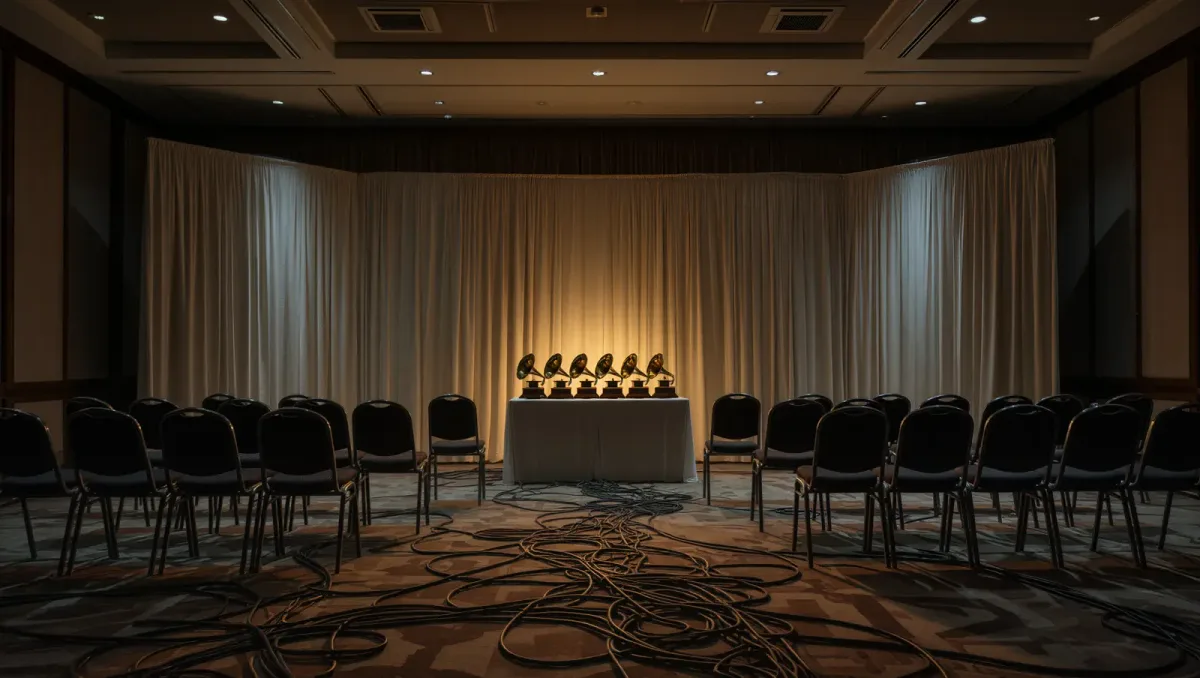
The infrastructure was self-built. Labels and imprints such as MoBlack Records — founded by the Italian-born, Ghana-based DJ MoBlack — and later Soul Candi, Stay True Sounds and others created the release pipeline; online stores' afro house charts gave it a measurable commercial identity; and a generation of producer-DJs carried it outward. Black Coffee's career is the genre's barometer: from Johannesburg residencies to a Grammy Award for Best Dance/Electronic Album in 2022, for his album Subconsciously — the first Grammy in that category for an African artist, per Recording Academy records.
What defines the afro house sound?
Percussion as lead instrument. The checklist:
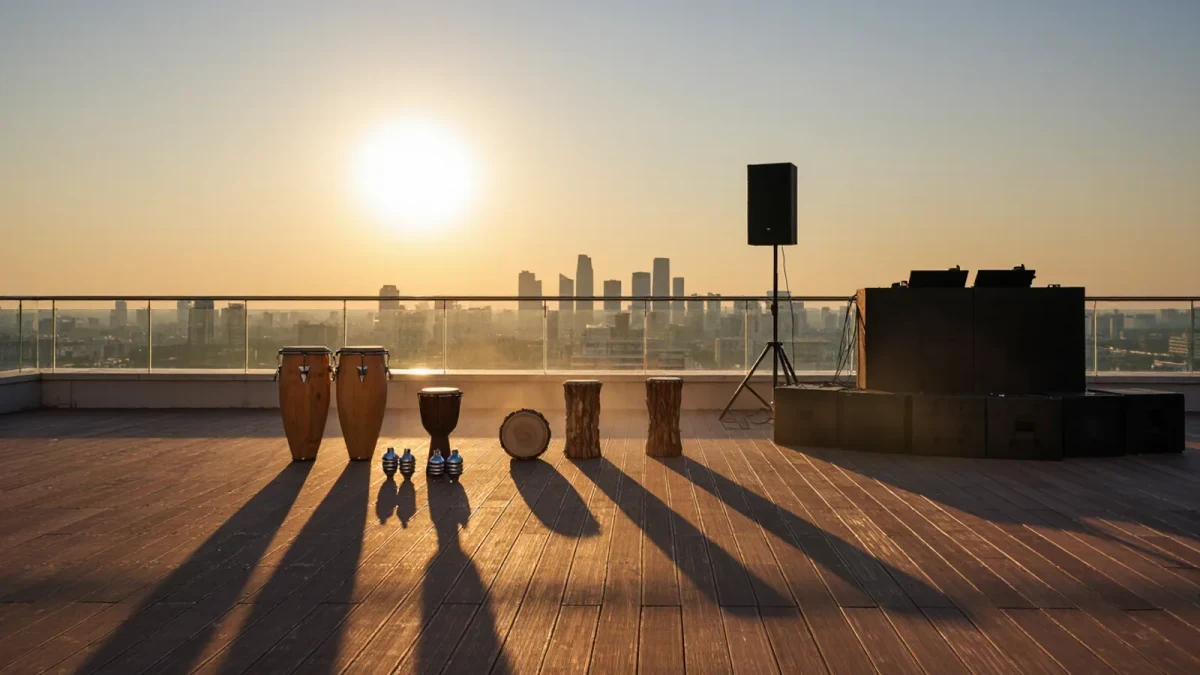
- Rhythm: interlocking polyrhythms rather than a straight four-to-the-floor pulse alone — shakers, congas, bongos and the syncopated log-drum bassline that became the genre's signature low end.
- Tempo: 115–125 BPM, typically a touch slower than European house, giving the grooves room to breathe.
- Vocals: soulful, often Zulu, Xhosa, Swahili or Portuguese-language singing, plus chanted and call-and-response forms; lyrically, the tradition runs from spiritual to celebratory.
- Harmony: warm chords, jazz-inherited progressions, pads tuned for sunrise rather than peak-time.
Terminology, precisely: afro house is not amapiano, its younger sibling — amapiano runs slower, around 110–115 BPM, and is defined by sparse, bass-heavy log-drum leads and jazzy keys, where afro house keeps the full percussion kit and the house skeleton. It is also not Afro tech, the harder, dark, club-leaning variant that European floors embraced in the 2020s. The three overlap constantly and share producers, but the centers are distinct.
Who are the key names?
The South African core: Black Coffee, whose global ascent opened the doors; Da Capo, whose album-minded productions defined the melodic end; Themba (formerly Euphonik), Culoe De Song, DJ Maphorisa (who straddles amapiano), Oscar Mbo, and the singer-songwriter collaborators — Mango Groove-inherited vocal traditions meet house on records by the likes of Msaki and Nobuhle. The singer Zakes Bantwini's "Osama," a 2021 collaboration with Kasango, became a genre-crossing domestic anthem.
The European bridge was decisive. The Berlin trio Keinemusik — Rampa, &ME and Adam Port — fused afro house's percussion with melodic techno-scale production from the late 2010s, and by the 2020s ranked among the most-booked house acts in the world, per aggregate festival-lineup counts, including a 2025 Glastonbury appearance. Around them, artists like Peggy Gou (whose 2018 track "Han Jan" and later singles carried the sound to chart audiences), Hyenah, DJEFF, Francis Mercier and Moblack's roster completed the two-way traffic between Johannesburg and Berlin. Major labels noticed: syncs, headline tours and streaming editorial playlists now routinely feature the genre as of 2025.
How big is afro house in 2025?
Arena-big, selectively. Ibiza is the clearest indicator: afro house-led residencies and takeovers became fixtures of the island's post-2022 season culture, with Ciroc-led and Ushuaïa-style poolside formats built around the sound's daytime-friendly register — check current season announcements, as residencies rotate annually. On the festival map, the genre anchors stages from Tomorrowland's organic-house corners to Miami Music Week programming and dedicated showcase brands touring globally. Beatport's afro house category, introduced as the sound commercialized, became one of the store's most active genre charts by the early 2020s — a reliable, if store-specific, proxy for demand.
Critically, the genre has begun settling into canon: retrospective compilations, documentary coverage of the South African scene, and a steady flow of features tying the sound's rise to the broader global visibility of African pop — a wave that also carried amapiano, Burna Boy-era Afrobeats and Tems to international festival billing.
How did the genre travel the world?
Through three carriers. First, the diaspora and touring circuits: South African DJs played Europe’s summer season long before the streaming boom, seeding audiences one terrace set at a time. Second, digital stores and their genre charts: afro house became a named, trackable category on Traxsource and Beatport in the early 2010s, which gave international buyers a shelf — and shelves create scenes. Third, and decisively, the European producer bridge: when Berlin’s melodic-techno generation adopted the percussion language in the late 2010s, afro house stopped being an import and became a shared mainstream, sung in Zulu on festival main stages from Tulum to Split.
The exchange runs both ways, which is the healthy sign. Johannesburg producers now cite the Berlin fusion records; European vocalists record over Pretoria-built instrumentals; and the genre’s compilation economy — from MoBlack’s label samplers to annual season mixes — keeps the two-way traffic documented and datable. A sound that once needed explaining at border customs now has a chart position.
How should you start listening?
Three doors, one per temperament. Black Coffee's Subconsciously (2021) for the polished, songful peak. Da Capo's Indigo Child (2017) for the deep, hypnotic center. Any Keinemusik mix from 2022–2025 for the European fusion register that dominates big-room programming. Then follow the labels — MoBlack, Stay True Sounds, Soulist Music — and let the charts do the digging.
One listening note: afro house rewards patience. Tracks run seven to nine minutes and develop through percussion layers rather than drops. If the first ninety seconds feel quiet, that is the runway, not the ceiling.
Where can you hear it live?
South Africa first, if you can — Johannesburg and Pretoria's weekend culture, from daytime parties to club institutions, remains the genre's living source, and Cape Town's summer season draws an international circuit each December–January. In Europe, watch the Ibiza and Mykonos summer calendars plus Berlin's club landscape, where the Keinemusik axis holds residencies-in-effect across the city's institutions. In the Americas, Miami is the hub, with Miami Music Week's afro house showcase cluster each March. Lineups and residencies change season to season — verify current editions against promoter announcements before booking travel.