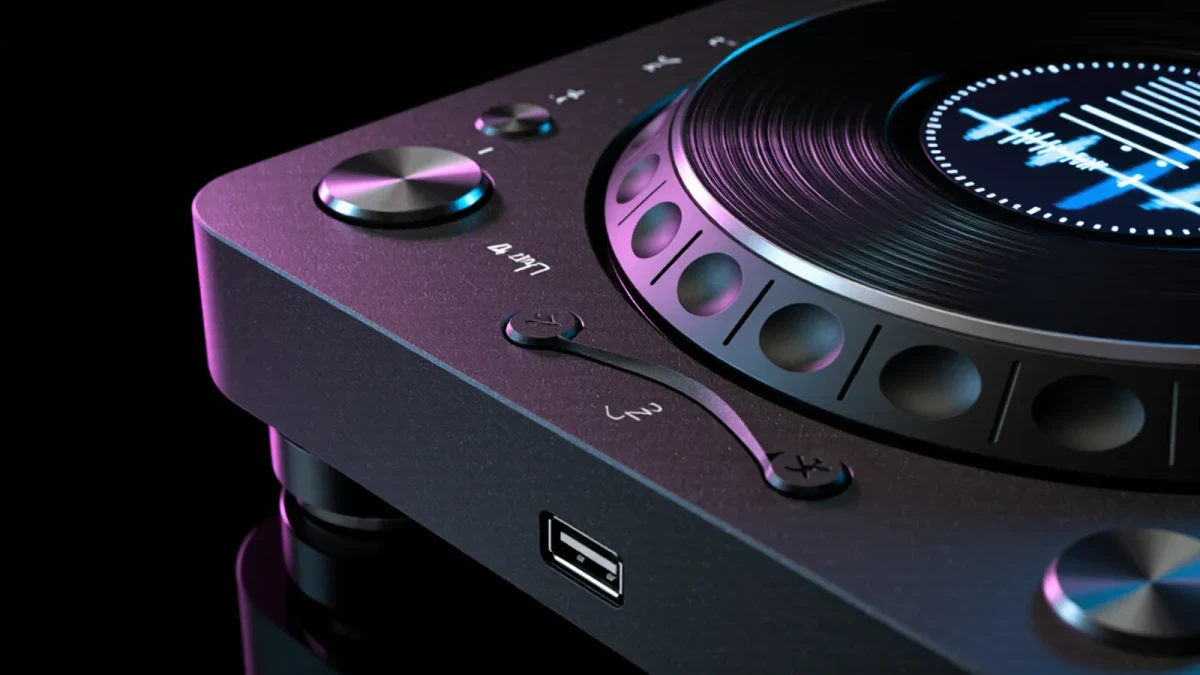
The DJ equipment market in 2026 is defined by three shifts: standalone all-in-one systems replacing the laptop-plus-controller setup as the beginner default; streaming integration becoming standard in pro players; and the industry's center of gravity settling under AlphaTheta — the company behind Pioneer DJ, which launched its CDJ-3000X flagship in September 2025 as the first top-tier player to carry the AlphaTheta name rather than the Pioneer DJ badge, per industry reporting at launch. The booth standard is evolving, and the buyer's ladder with it.
MEGA DANCE publishes information, not purchasing advice — prices and availability change; verify before you buy.
What changed in the pro booth standard?
The CDJ-3000X. Announced after a teaser campaign through summer 2025 and released that September, it is the first flagship media player released under the AlphaTheta brand, marking a deliberate transition away from the Pioneer DJ name on new top-tier hardware, per We Rave You's launch coverage. For clubs, the question is upgrade cadence: venues worldwide standardized on the CDJ-3000 ecosystem, and a new flagship starts a multi-year refresh cycle that only destination venues rush into. For working DJs, the practical skill is unchanged — USB stick, rekordbox export, plug in — which is exactly why the standard persists.
Why are standalone systems taking over the entry level?
Because they solve the beginner's three friction points at once. All-in-one units — AlphaTheta's Opus Quad and the DDJ-FLX line's standalone siblings, Denon DJ's Prime 4 ecosystem, Engine DJ hardware — remove the laptop, remove the audio interface and remove the setup time: power on, load USB or streaming app, play. The controller-plus-laptop path that defined the 2010s taught software skills but died in the living room the moment a box did the same job without a screen fan. Manufacturers also love the margin logic: a standalone is a complete system at one price, and its buyer upgrades within the same ecosystem — controller, then standalone, then club-standard gear.
Where does streaming fit into DJ hardware?
Deeper every year. AlphaTheta built streaming into its ecosystem, Denon DJ's Engine OS players stream from multiple services, and the pattern is now expected: practice sets from a streaming library, USB sticks for the club. Two tensions follow. Sound quality — streaming compression on a large club system is audible in ways home earbuds hide. And licensing — the catalogs a DJ can legally stream into a paid gig differ from personal practice use, a gray zone the platforms have never fully clarified. Working DJs treat streaming as rehearsal; the booth still runs on files.
How are the challengers doing against AlphaTheta?
AlphaTheta remains the IBM of the booth — the safe choice every venue and every rider defaults to, with the CDJ standard as its moat. But the edges are contested. Denon DJ's Prime hardware matches club-standard features at lower prices, and its Engine ecosystem has a loyal value-minded base. Native Instruments' Traktor keeps the modular and DVS niches. InMusic — which owns Denon DJ, Numark, Rane and Serato — fights on breadth: it can bundle ecosystem against ecosystem. And in software, djay (Algoriddim) and rekordbox's subscription tiers have moved the revenue model from boxes to recurring plans, which is where every hardware market eventually goes.
What should a beginner actually buy in 2026?
The honest ladder. Start with a two-channel controller under €300 to learn beatmatching, phrasing and library management — the skills transfer to everything. Second step, a standalone system if you play parties: no laptop on stage, full independence. Third step only if you play clubs: learn the CDJ standard, because riders and venues still assume it. What not to buy: the flagship first. A CDJ-3000X pair in the bedroom teaches nothing a €250 controller cannot, and the money is better spent on monitors, headphones and — the real career investment — studio time and track promotion.
Where is the market heading next?
Three directions. Subscription everything — hardware-locked software plans that make the ecosystem sticky. AI assistance — track suggestions, auto-mix features and stem separation now shipping in mainstream software, which will keep pressing the art-vs-automation debate the scene has had since sync. And repair-and-sustainability pressure — EU right-to-repair rules and spare-part availability are reaching pro audio, meaningful for a market built on club-abused hardware. The booth of 2030 will look familiar; the business model around it will not.
How do artist riders decide what venues buy?
More than any marketing campaign. A rider is the list of technical requirements attached to a booking, and when enough touring DJs specify the same gear, venues treat it as infrastructure rather than preference. This is how a de facto standard forms: one club installs the expected setup, agents notice, the next club follows, and within a few seasons the rider-compliant booth becomes the baseline across a territory. The practical effect on the market is inertia. A venue weighing an upgrade asks two questions — what do the agents demand, and what will still be demanded in five years — and the second question is why refresh cycles lag launches. A flagship announced in September does not appear across booths the following spring; it spreads as venues hit their own replacement moments.
Is DVS and vinyl still part of the picture?
Yes, as a specialist lane rather than a mainstream one. Digital vinyl systems — control vinyl driving software — remain the tool of choice for scratchers, hip-hop and open-format DJs, and the turntablist revival keeps technics-style direct drives selling at steady prices. Club-focused vinyl culture, meanwhile, survives in scenes where the format is identity: house, techno and disco circles where a bag of records still signals commitment. The commercial center of the market moved on, but the edges are profitable and loyal — which is why manufacturers keep dedicated products in the catalog alongside the standalone majority.
What does a sensible first-year setup look like?
A working checklist, in order of priority:
- Headphones you can trust in a loud room — the one purchase that touches every gig.
- A two-channel controller with a full-size jog or platter feel, so skills transfer to club gear later.
- Monitors or honest home speakers, because you cannot train an ear on flattering sound.
- A reliable USB workflow — exported, analyzed, duplicated — before any fancy effects unit.
- Only then: a standalone system, once gigs actually demand laptop-free setups.
The order matters more than the brands. Every item on the list builds a skill or an ear; a flagship player bought first builds neither.
FAQs
What is the current club standard DJ player?
The CDJ-3000 ecosystem remains the booth standard worldwide; AlphaTheta's CDJ-3000X, launched September 2025, is the newest flagship and the first to carry the AlphaTheta brand instead of Pioneer DJ.
Should a beginner DJ buy a controller or a standalone?
Start with an affordable two-channel controller to learn fundamentals, then move to a standalone system if you play out. Buy club-standard gear only when clubs actually book you.
Can DJs stream music from Spotify in a set?
Some hardware and software streams from licensed catalogs, but most major services restrict professional use. Most working DJs stream for practice and play local files in clubs.