The live electronic music scene in summer 2026 is large, busy and increasingly top-heavy. Tomorrowland ran its 2026 edition across two July weekends, July 17-19 and 24-26, at De Schorre in Boom, Belgium under the new theme Consciencia, per the festival's January 7, 2026 announcement — a two-weekend format now standard for the mega-tier. Ibiza's clubs have been at full tempo since late April, and the wider European circuit, from Croatian festival coasts to UK warehouse seasons, is operating at a scale the industry's pre-2020 plans did not forecast. Demand recovered; the structure that recovered with it is more concentrated.
MEGA DANCE publishes information, not ticketing or travel advice — dates and lineups change; verify with organizers.
How big is the live electronic market now?
Bigger than its own legend. The reference points stack: Amsterdam Dance Event drew a record 600,000 visitors across five days in October 2025, per organizer figures; UK recorded-music revenue rose about 5% to £1.57 billion in 2025 per BPI data, feeding the recording side that live showcases; and the festival circuit's top tier — Tomorrowland, Creamfields, Ultra's global franchise, Electric Daisy Carnival — sells out on schedules that suggest demand still outruns capacity. Live revenue is where electronic artists actually earn: streaming pays fractions of a cent, but a festival headline slot pays a fee that can exceed a year of royalties from a mid-sized streaming hit.
What defines the 2026 summer season?
Concentration and geography. The mega-festivals consolidated their lead: Tomorrowland expanded its global brand footprint with new international editions, and the top events now behave like touring franchises — one brand, many territories, standardized production. Meanwhile the middle tier thinned: the mid-size regional festival with a solid-but-not-headline lineup is the segment squeezed between sold-out giants and cheap city events, mirroring what happened to mid-size clubs. Geographically, growth stories of this cycle are outside Western Europe and North America — Asia and the Middle East being the markets every major promoter is courting, with Tomorrowland itself extending its brand into Asia for winter 2026.
Who is the audience now?
Wider and older than the stereotype. The post-2020 return brought back lapsed clubbers in their 30s and 40s with more spending power than the traditional 18-25 core, which is one reason VIP tiers and premium experiences expanded across the market. At the same time, the Gen Z entry path changed: fewer learned clubbing in small local rooms (there are fewer of them — nearly 800 UK late-night venues closed between 2020 and mid-2025, per NTIA figures), more arrived through festivals, TikTok scene fragments and the mega-event calendar. The result is an audience that travels farther for bigger events and spends more per night — exactly the demand profile the mega-tier is built to monetize.
What are the fragilities?
Four worth naming. Festival cost inflation has pushed ticket prices to levels that test repeat attendance — at some point, price fatigue meets a cost-of-living reality. Weather risk is no longer abstract: the European summer of recent years delivered storms, floods and heat that canceled or disrupted outdoor events, and insurance for outdoor shows has hardened accordingly. Venue infrastructure is thinning at the grassroots — the small rooms that develop local scenes keep closing, which is a slow leak under the whole ecosystem. And festival fatigue itself: as calendars crowd, audiences choose fewer, bigger events rather than more, smaller ones — great for the giants, corrosive for everything beneath.
What is genuinely good about the scene right now?
The music is metabolizing faster than the business. Genre cross-pollination — the hard techno surge, amapiano's global spread, the UK bass continuum feeding pop — keeps the sound from calcifying at the top. The live production arms race means the best big-room shows are genuinely spectacular theatre. And the circuit's depth is real: beyond the 100,000-capacity flags, hundreds of small festivals, city events and club nights run healthy, targeted, community-rooted operations — the tier where scenes actually form. The lesson of ADE's 600,000 and Tomorrowland's twin weekends is not that bigness won; it is that demand for collective listening experience is close to bottomless. The open question is only who builds the rooms for it.
How does an artist actually break through in this market?
The ladder has fewer rungs than it used to, and the ones that remain are steeper. The classic path — local club night, regional support slots, festival billing, then headline status — assumed a dense layer of small and mid-size rooms to climb through. As grassroots venues thin, the ascent concentrates into fewer, bigger jumps: a track that works on streaming and short-form video can put an unknown name in front of a booker, and a strong festival slot can skip two rungs entirely. The role of labels has shifted in parallel — artist development money is scarcer, and the labels that still invest expect the artist to arrive with an audience already forming. The result is a market that rewards artists who can build demand outside the club — releases, edits, online presence — and then convert it into the fees the live side pays.
What is the festival season calendar, from a fan's point of view?
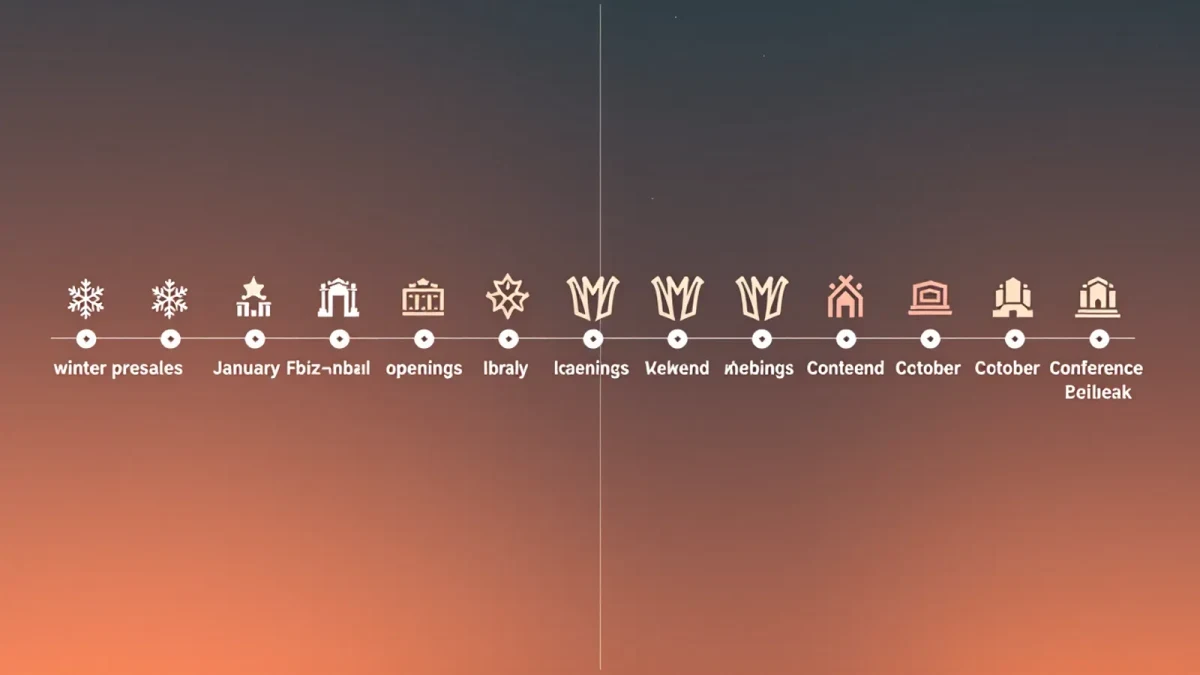
The year runs on a predictable rhythm:
- Winter — theme reveals, pre-registration and presales for the mega-festivals; the cheapest decisions happen now.
- Spring — club seasons peak and Ibiza opens, with opening parties from late April into May.
- June to August — the outdoor circuit: the Croatian coast, UK fields, Benelux sites, and July's twin-weekend mega-events.
- September — the late-summer city festivals and closing-party season on the islands.
- October — the Amsterdam conference week, where the industry resets and next year's deals are cut.
Knowing the calendar is the cheapest advantage in the scene. The fans who register in winter, book travel in spring and target shoulder weekends consistently pay less and queue shorter than the ones who decide in June.
Where do small scenes fit in a mega-tier market?
Everywhere the headlines are not. The warehouse nights, community collectives and single-stage festivals that run on volunteers and cheap door splits are still where sounds germinate — the genres topping mega lineups in 2026 mostly incubated in rooms a hundredth of that size within the past fifteen years. What the small tier lacks is capital and, increasingly, venues; what it retains is speed and trust. A local scene can book the artist the giants will chase in two years, at a price its own door can cover. For audiences, that makes the grassroots the arbitrage of live music: the same musical forward edge, at a fraction of the ticket, months before the festival system notices.
FAQs
Is live electronic music growing in 2026?
Yes at the top: ADE set a 600,000-visitor record in October 2025, and mega-festivals including Tomorrowland (July 17-19 and 24-26, 2026) continue to sell out — while grassroots venues keep shrinking.
Why are festival lineups more repetitive lately?
Because risk concentrates: rising fees push bookers toward proven headliners, and as mid-size venues and festivals thin, fewer new artists get the exposure needed to become headliners.
What did Tomorrowland's 2026 theme announce?
Consciencia, unveiled January 7, 2026 as the festival's new global theme for 2026-2027, per the official announcement.