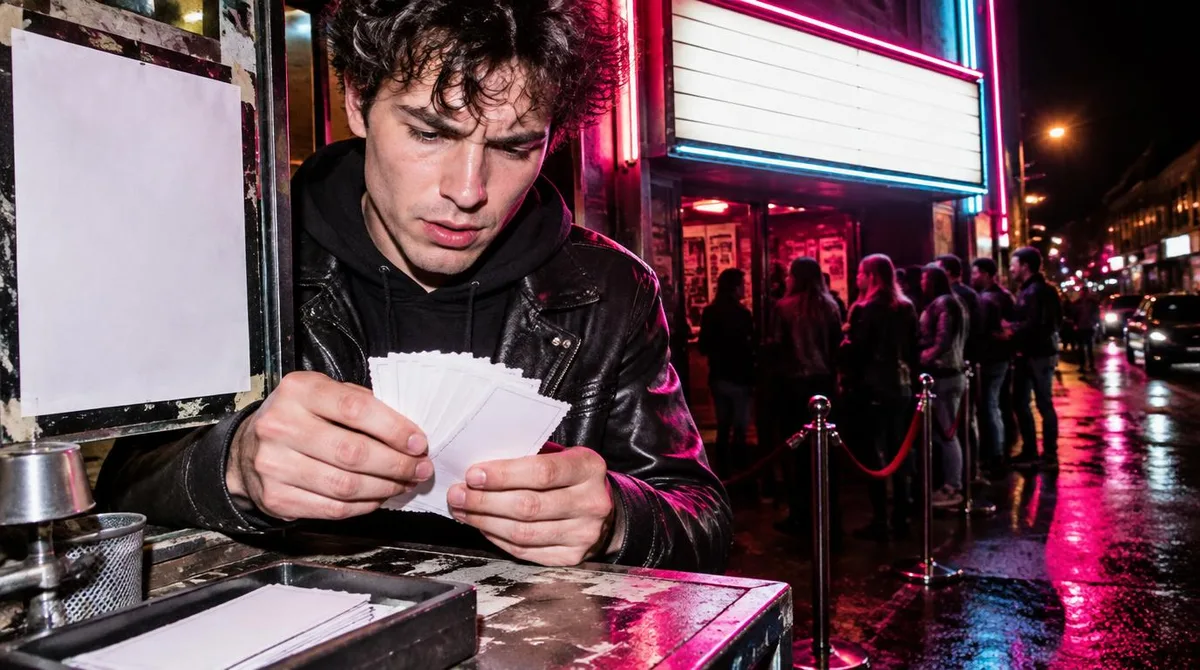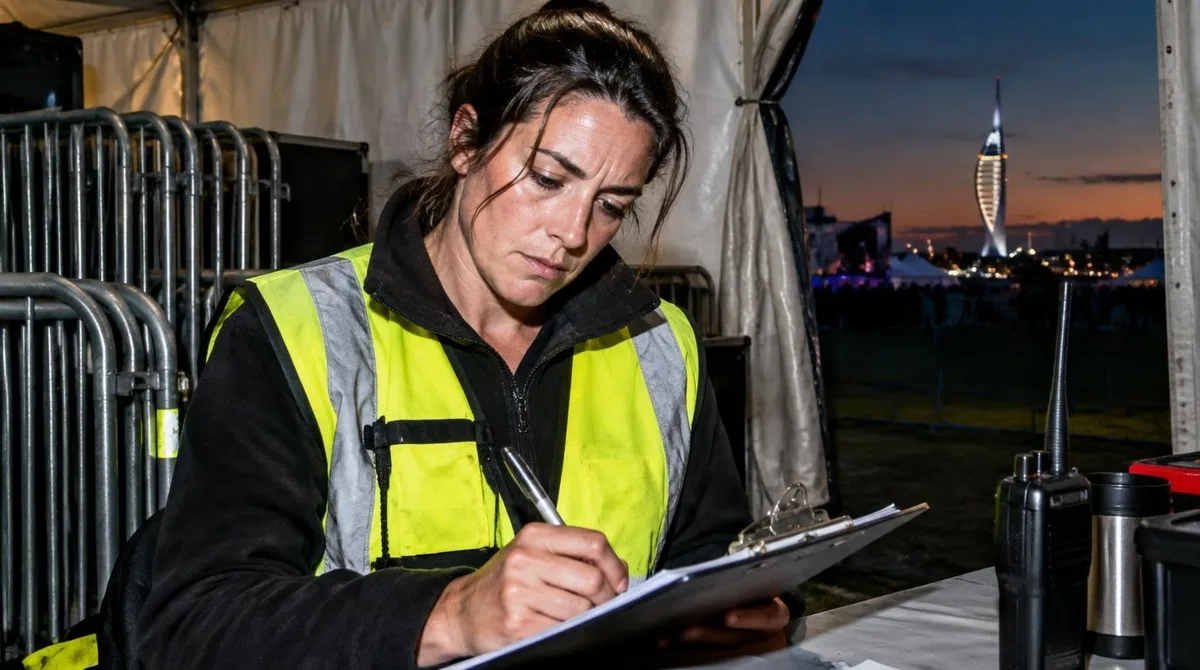
If you work at festivals, the new research out of Portsmouth carries a blunt message: the problem is not just individual bad actors. According to Newswise, a study from the University of Portsmouth finds that the way festival organisations operate — the atmosphere they protect, the hierarchies they run on, the unclear reporting routes they leave in place — can let gender-based violence flourish. The practical takeaway is that reporting policies alone are not enough. What matters is what happens after someone speaks up.
The study, covered by Newswise, is based on 24 trauma-informed interviews with festival workers and fieldwork at five UK music festivals. It appears in the Organization Journal, with PhD student Gemma Summers-Green as lead author. For anyone booking, crewing or running events, the findings map onto concrete decisions: lighting levels, who holds authority on site, and how a disclosure moves between teams. More context on the wider festival world sits in our festivals coverage. This connects to our earlier piece, Billboard's New Events Calendar Shows How Crowded the Music Business Year Has Got.
What did the researchers actually find?
The core finding is what the researchers call "organisational disorientation". According to Newswise, this describes a situation where a festival's atmosphere, working practices and structures make gender-based violence difficult to recognise, interpret and respond to. Violence does not necessarily go unseen. It can, in the researchers' phrase, "hide in the open", blending into the noise, movement and apparent freedom of the site.
The evidence behind that is specific. One lighting technician was told by a promoter to reduce lighting because it was "ruining the vibe". The technician pushed back: "Unless the vibe you're going for is a rapey one then you need more lighting." The promoter had the final say and kept the lighting low. That single exchange shows a safety decision being overridden by atmosphere — with the promoter, not the specialist, holding the pen.
The researchers' own summary is stark. Summers-Green said the way organisations operate "can allow it to flourish with frequency and impunity", and that when protecting the atmosphere and smooth running takes priority, "accountability can dissolve".
Why do workers stay quiet — and what would change that?
Insecure employment is the reason the study gives. Two women who experienced sexual harassment from a male security guard asked only that he be told to leave them alone. According to Newswise, they feared a formal complaint could affect their chances of being employed at future events. When next season's work depends on being seen as easy to work with, a complaint feels like a risk.
For organisers, the practical step the study points to is removing that trade-off. If someone who reports has no fear for future bookings, the calculus changes. That is a hiring and contracting decision, not a poster in the portacabin.
Where do reports go — and why do they get lost?
Even when incidents were reported, responsibility for dealing with them was often unclear. The study found disclosures could be redirected, minimised or lost as they passed between teams. The people receiving them did not always have the authority or support to act.
That points to a checklist any event can run against itself before gates open:
- Name the person with authority to act on a disclosure, on every shift, and make sure workers know who that is.
- Record concerns in one place, and follow them through — the study stresses whether concerns are "properly recorded and followed through".
- Check who receives reports. If the receiver lacks authority, the report dies with them.
- Decide in advance how a disclosure moves between teams, so it is not redirected or minimised in transit.
Does the festival atmosphere itself make things worse?
The researchers argue it is not simply a backdrop. Dr Judith Fletcher Brown, Associate Professor in Social Marketing at the University of Portsmouth, said festivals are "designed to create a sense of joy, freedom and escapism", and that this can make it difficult for organisations to acknowledge gender-based violence because it seems so at odds with the experience they are trying to create. In other words, the party is the smokescreen.
The practical read for crews and organisers: treat "keeping the vibe" as a stated priority that can be named and challenged. The lighting example shows what happens when it wins silently. If atmosphere is going to be weighed against safety, the study's evidence says that weighing should be explicit, not a promoter's quiet call.
What should organisers do after someone speaks up?
Dr Karen Middleton, Associate Professor of Responsible Advertising at the University of Portsmouth, put it plainly: "It is not enough for festivals to have policies encouraging people to report violence." The study's conclusion is that organisers need to look at what happens after someone speaks up, who has the authority to act, and whether concerns are properly recorded and followed through. Otherwise, the researchers warn, organisations risk protecting themselves at the expense of the people who work within them.
The human cost of getting this wrong is in the interviews. One worker recalled encountering four incidents of sexual violence by 10pm at a festival. After briefly retreating to a tent to cry, they returned to their shift while the event continued around them. The paper shifts attention towards these workers — people who experience harassment themselves, support others, and carry the practical and emotional work of responding to harm.
The next development worth watching is whether festivals act on the paper's central challenge: not more reporting policies, but authority, records and follow-through behind them. For more reporting from the scene, see our music news section and our guide to what a DJ rider actually covers. For related coverage, see How to Follow Music News Without the Noise.