Pack for the forecast, but build for the forecast being wrong. At European summer festivals, single-day temperature swings of 15 degrees, sudden thunderstorms and overnight cold are all normal events — heat-health warnings have become a recurring feature of recent summer seasons across the continent, per European weather services' published warnings through 2025 — and the difference between a great weekend and a grim one is almost always kit. This festival weather packing guide covers the four weather modes you'll actually face and the loadout that handles them without a second bag. Guidance is current as of June 2026.
Why does festival weather hit harder than normal weather?
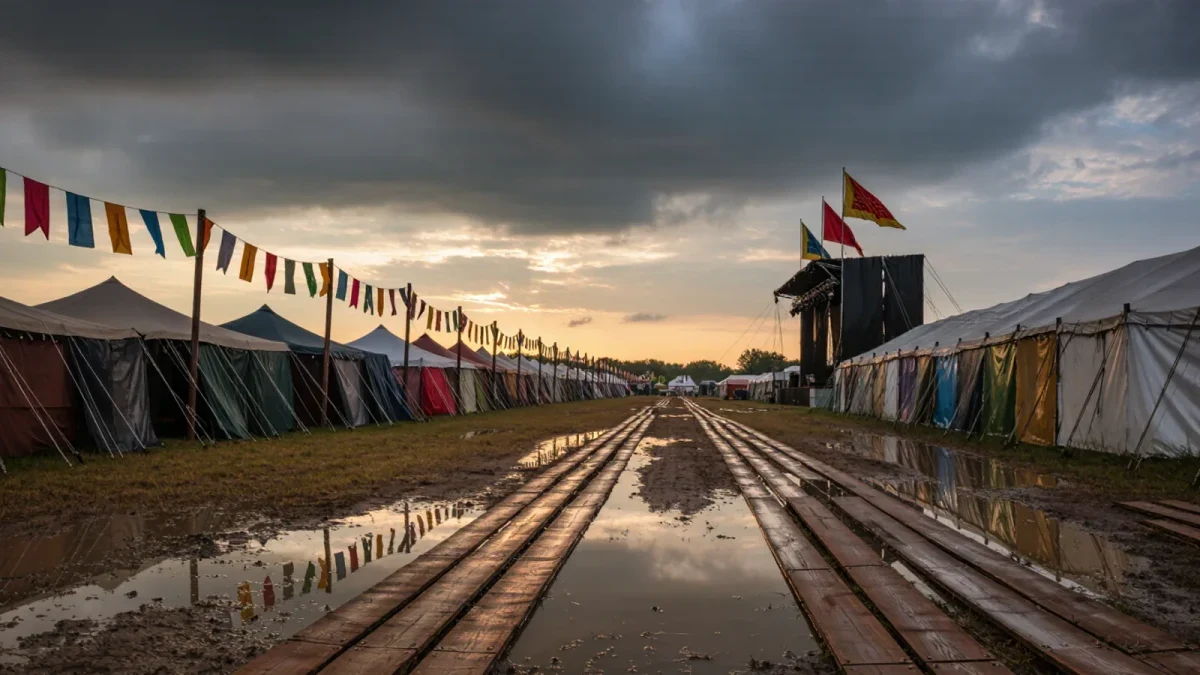
Because a festival site removes every shelter your normal day has. Fields offer no shade by late morning, so sun exposure runs hours longer than a city day. Open ground turns to mud in one storm and to dust within a day of drying. Tents heat like ovens by 9 a.m. and chill by 3 a.m. Add crowds — which make heat index worse and turn rain into a hygiene problem — and a forecast that reads "scattered showers, 19°C" becomes four distinct survival problems in one weekend. The packing answer is layers plus a hard shell plus sun kit: roughly a kilogram of equipment that converts misery into anecdote.
What do you pack for heat?
Shade you can carry and water you can hold. A wide-brim or at least bucket hat beats a cap for neck coverage; sunglasses matter more than people admit at open-air stages facing evening sun. A refillable bottle is the core item — festival sites in several countries now run free water refill points as standard practice, per their published site information, so find the stand pipes on day one. High-factor sunscreen goes in the day bag, not the tent, because the burn happens during the sets, not the walks. Loose, light-coloured clothing with real coverage outperforms minimal clothing in reflected heat. And electrolytes — sachets or tablets — handle the hours of dancing-plus-sun that plain water alone doesn't. The heat rules from health authorities are simple: drink before thirst, seek shade in the peak hours, and know that dizziness, headache and nausea are heat-illness warnings, not hangover — the medical tent is closest thing on site to a hospital's front door.
What do you pack for rain and mud?
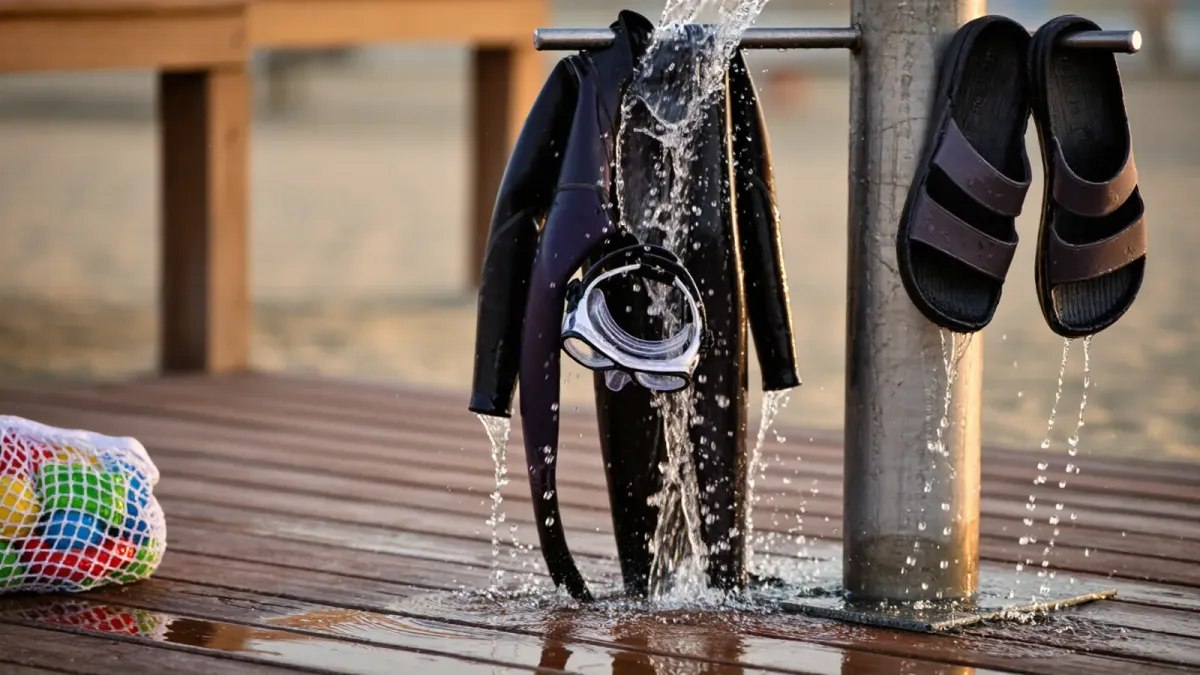
Rain at a festival is not a water problem; it's a footwear, shelter and morale problem. The core kit: a proper rain shell with a hood — ponchos work but shred in wind and become landfill; wellies or genuinely waterproof boots, because trainers die in the first storm and wet feet end weekends early; a dry bag or heavy bin bags for everything you'll want dry at 2 a.m. — phone, socks, sleeping clothes; a spare towel; and gaiters or spare socks beyond what you think you need. For campers, a footprint or tarp under the tent is the single highest-value item in the whole kit list, keeping ground moisture from wicking up through the floor all weekend. Site mud after a storm is a predictable hazard: it hides tent pegs, eats shoes and turns walkways into skating rinks — walk on the high ground, and expect a muddy site to double every walking time on your schedule.
What do you pack for cold nights?
The underrated mode. Summer festival nights at northern European sites routinely drop to 10°C or lower, and after a day of sun and sweat, the evening chill lands on an exhausted body. The fix is the layering system: a base layer or long-sleeve tee, a warm mid-layer — fleece, not a fashion jumper — and the rain shell doubling as wind protection. A hat for night is the item nobody packs and everybody needs at 2 a.m. at the closing set. For campers, the sleeping setup is the night system: ground-cold-rated mat first, sleeping bag second, warm layer third; the ground takes more heat than the air above you. Dry socks stored in a sealed bag are the single most valuable small object on any multi-day site.
Is there one packing checklist that covers everything?
Yes — the all-weather core, roughly one day bag for day festivals plus a small bag extra for camping:
- Sun kit: hat, sunglasses, high-factor sunscreen, refillable bottle, electrolyte sachets.
- Rain kit: hooded rain shell, waterproof footwear, dry bag, spare socks (plural), small towel.
- Cold kit: base layer, fleece mid-layer, night hat; sleep mat rated for ground cold if camping.
- Weather-proofing: footprint tarp, bin bags (groundsheet, laundry, waterproofing in one), cable ties for emergency tent repairs.
- Body maintenance: lip balm with SPF, blister plasters, basic meds, ear protection in all conditions.
How do you read a festival forecast properly?
Ignore the cartoon icons; read three numbers. The precipitation probability across each day block — two storms at 40% need the shell even if the headline says "partly cloudy". The temperature range, morning-low to afternoon-high, which tells you whether the cold kit rides from the car or gets posted home. And the wind, which festivals take seriously for a reason: high wind closes stage structures, delays builds and occasionally reshapes schedules — wind above roughly 50-60 km/h is the zone where events start announcing stage closures per their published safety protocols. Check the forecast twice: three days out for packing decisions, and the morning of travel for last-minute additions. Local radar apps for the site's exact area beat the national weather app's city-average guess.
What do you do when the weather turns mid-festival?
Follow the event's own guidance, not the crowd's mood. Storm protocols at major festivals are rehearsed: announcements via app, screens and stage hosts; temporary stage clearances; sometimes full site evacuations to hardened areas. When instructed to move, move — the announcement is slower than the weather. In sustained rain, re-waterproof what you can, rotate socks, and keep one outfit sacred and dry for the night. In sustained heat, rebuild your schedule around the shade hours: indoor or tent stages midday, open-air in the evening, water topped at every pass of a stand pipe. Weather turning is not the festival ending; most weather-memorable editions become the stories that outlast the lineup.
Practical details: the weather packing list
Format: all-weather packing guide for European electronic festivals, as of June 2026.
Day-festival core: rain shell, sun kit, refillable bottle, one warm layer, dry bag, spare socks.
Camping additions: footprint tarp, rated sleep mat and bag, night hat, bin bags, repair cable ties, towel.
Forecast check: precipitation probability, temperature range, wind speed — three days out and again on travel morning. Weather protocols and facilities vary by event and are subject to change.