Electronic music festivals are the live industry's most visible sustainability experiment because their problems are measurable: tens of thousands of people, diesel generators running for days, single-use everything, and an audience that skews young enough to demand action. The best events now publish real numbers — energy mixes, waste diversion rates, travel emissions — and the uncomfortable headline in those reports is consistent: audience travel, mostly cars and short-haul flights, typically accounts for the large majority of a festival's total footprint, far more than the diesel, the cups or the confetti. Everything else is rounding error until travel changes.
MEGA DANCE publishes information, not environmental advice — festival figures are organizer-reported and methodologies vary.
What are festivals actually changing?
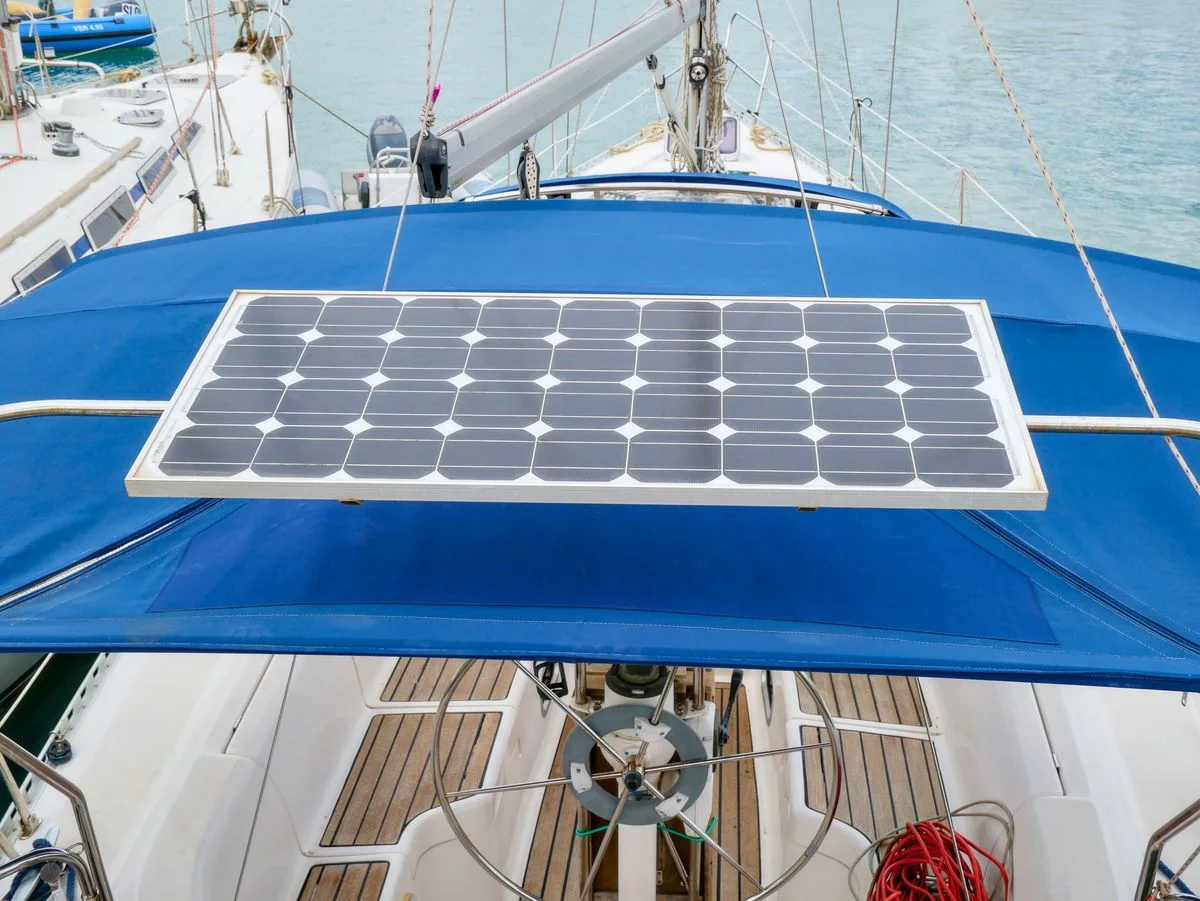
The physical layer first. Hard cup and deposit schemes — pay €2-5 for a reusable cup, return it or keep it — have cut single-use waste at major European festivals by enormous margins where adopted, and the same deposit logic now covers plates, cutlery and even sleeping-bag-friendly gear at camping events. Waste diversion — the share of refuse kept from landfill through sorting and recycling — has moved from a fringe bragging point to a published KPI, with leading events reporting well over half, sometimes above 90%. Diesel is next: battery storage paired with solar arrays now lets sites cut generator hours, run quieter stages, and in some cases power whole areas without engines running 24 hours a day.
Why is travel the hard problem?
Because festivals are destination events by design, and the emissions follow. When organizers survey how audiences arrive, cars dominate — several people per vehicle is still the default for camping festivals — and for international events, flights multiply everything. A festival can eliminate every plastic cup and still find that 70-80% of its footprint came from how people got there, which is why the serious conversation has shifted to logistics: coach partnerships with entry discounts, train-travel ticket bundles, car-share matching, and site selection near rail rather than a field two hours from anywhere. The events that moved near cities — and the city festivals themselves — hold a structural advantage no amount of biodiesel fixes.
Which festivals are treated as the leaders?
A familiar cohort across Europe's electronic circuit. DGTL Amsterdam built its identity around circularity — hard cups, waste-as-resource programs and published impact reports. Shambhala in Canada runs on hydroelectric power and has long banned single-use on site. The Dutch sector as a whole, through the Green Events foundation framework, pushed standards — energy, waste, water — that organisers elsewhere adopted. Boom Festival in Portugal reports biennially on energy and per-capita footprints. These are organizer-reported figures and independent verification is uneven — but the direction across the circuit is unmistakable: measurement first, targets second, marketing somewhere after that.
Is greenwashing a risk in festival marketing?
Yes, and the tell is always the scope of the claim. A festival that advertises its biodegradable confetti but flies in a mid-size fleet of international artists and sells 40,000 car passes is moving deck chairs. The credible events publish full footprints — including travel surveys — set reduction targets with dates, and report progress against them even when the numbers are ugly. Carbon offsetting is the gray zone of the whole sector: planting trees against this year's emissions is better than nothing and worse than not generating them, and the serious operators treat offsets as the last line, not the headline. As a rule of thumb for readers: the more specific and dated the number, the more it can be trusted.
What can a festivalgoer actually do?
Three decisions outweigh every other choice. Travel: take the coach or train option, or fill every seat in the car you are taking anyway — one shared vehicle of four cuts per-person travel emissions to a quarter of four solo drivers. Stuff: pack out what you packed in, use the deposit system, and leave no tent behind — abandoned tents are pure landfill and cost events fortunes. Voice: the events respond to demand; asking an organizer for its footprint report, or choosing the festival with a train partnership, is a market signal that moves budgets. The dancefloor itself, it turns out, is nearly free.
How do festivals actually measure their footprint?
With surveys, meters and spreadsheets — and that is the honest limit of the precision. Energy use is the easiest part: generator fuel and grid draws are metered. Waste is weighed at sorting stations. Travel is the hardest and the biggest, so festivals survey arriving audiences — usually at entry or via post-event questionnaires — and model emissions from the transport modes and distances reported. Different events use different emission factors and boundaries, which is why two festivals can publish numbers that are not directly comparable. The useful trend is not precision but disclosure: an event that publishes its method, even with rough inputs, can be held to improvement next year. An event that publishes only a percentage with no method cannot.
What does a sustainable site look like on the ground?
Recognizable before you read a single report. The signs, in rough order of what you notice first:
- Cup deposit stations instead of bins overflowing with plastic.
- Water refill points that make buying bottles pointless.
- Food traders using reusable serveware or genuinely compostable alternatives.
- Sorted waste streams — often hand-sorted by volunteer crews after the crowd leaves.
- Solar arrays and battery containers where diesel generators used to hum.
- Coach queues and signed car-share points at the exits.
None of it is glamorous, and that is the point: the visible operations are where the measurable gains live, while the travel problem is solved in the booking decisions made months earlier.
Do green measures make festivals more expensive?
Some do, and honest organizers say so. Deposit systems carry logistics costs — washing, transport, breakage. Reusable serveware needs infrastructure that single-use does not. Grid connections and battery-solar setups are capital-intensive compared with renting generators, though they can pay back over multiple editions through avoided fuel. The travel levers are the opposite: coach partnerships and train bundles are usually pricing and planning decisions rather than capital costs, which is why they spread fastest. Where the money nets out depends on the event; what is clear is that the festivals that moved earliest treated sustainability as production planning, not as a marketing line item.
FAQs
What is the biggest source of a festival's carbon footprint?
Audience travel. Organizer-published footprints consistently show cars and flights account for the large majority — often 70-80% or more — of total emissions, ahead of energy, waste and production combined.
Do hard cup systems work at festivals?
Yes — deposit-based reusable cup schemes have slashed single-use waste at major European festivals and are now standard across much of the electronic circuit.
Are festival sustainability claims verified?
Unevenly. The most credible festivals publish full footprints with travel surveys, dated reduction targets and progress reports; treat unspecified green claims with caution.